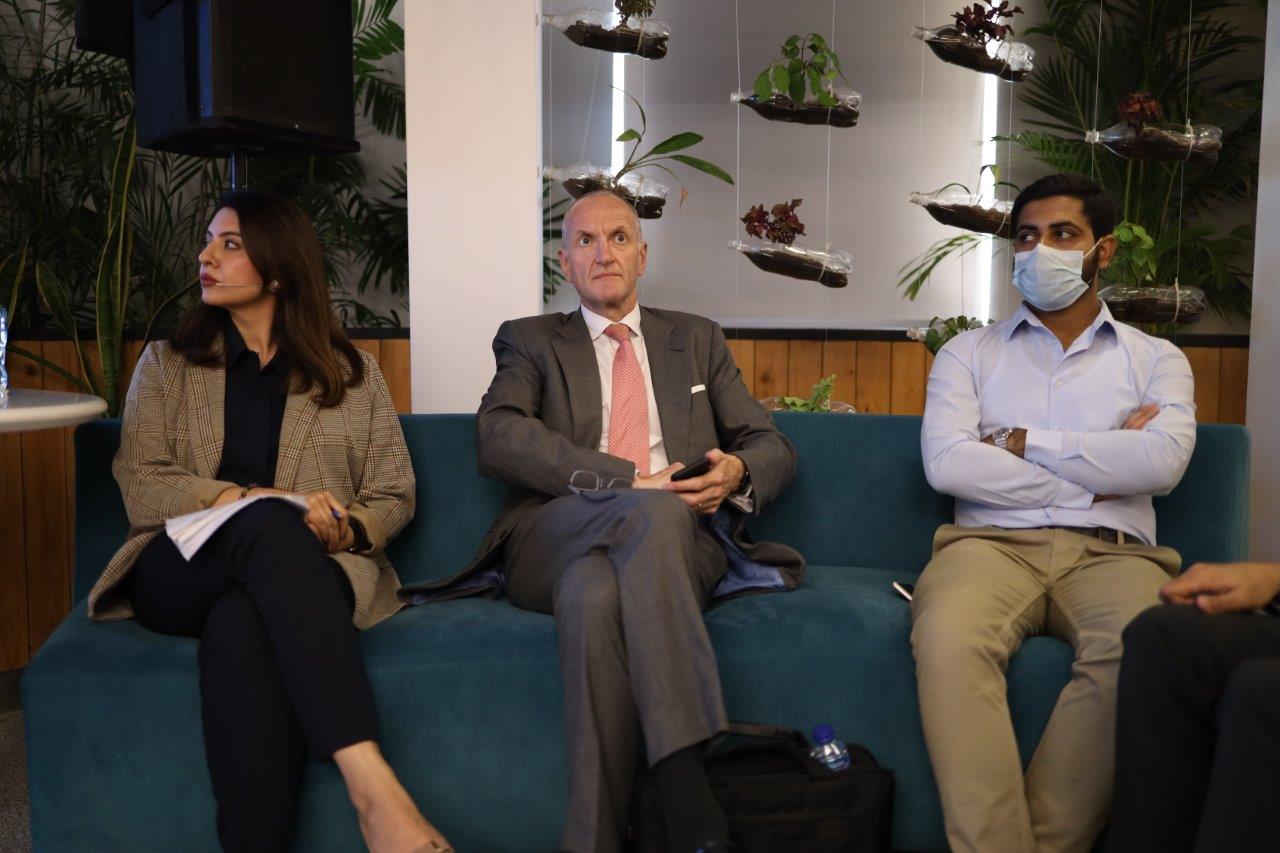
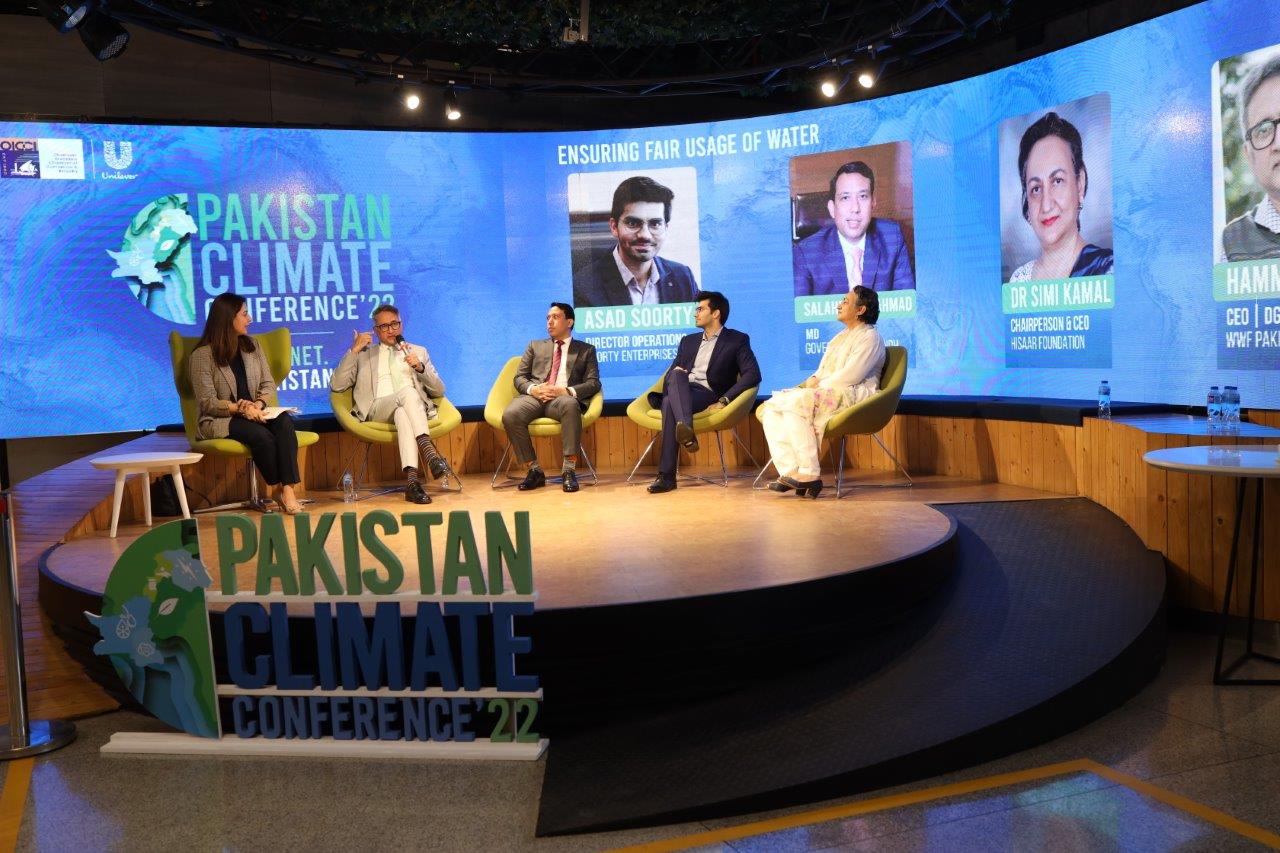
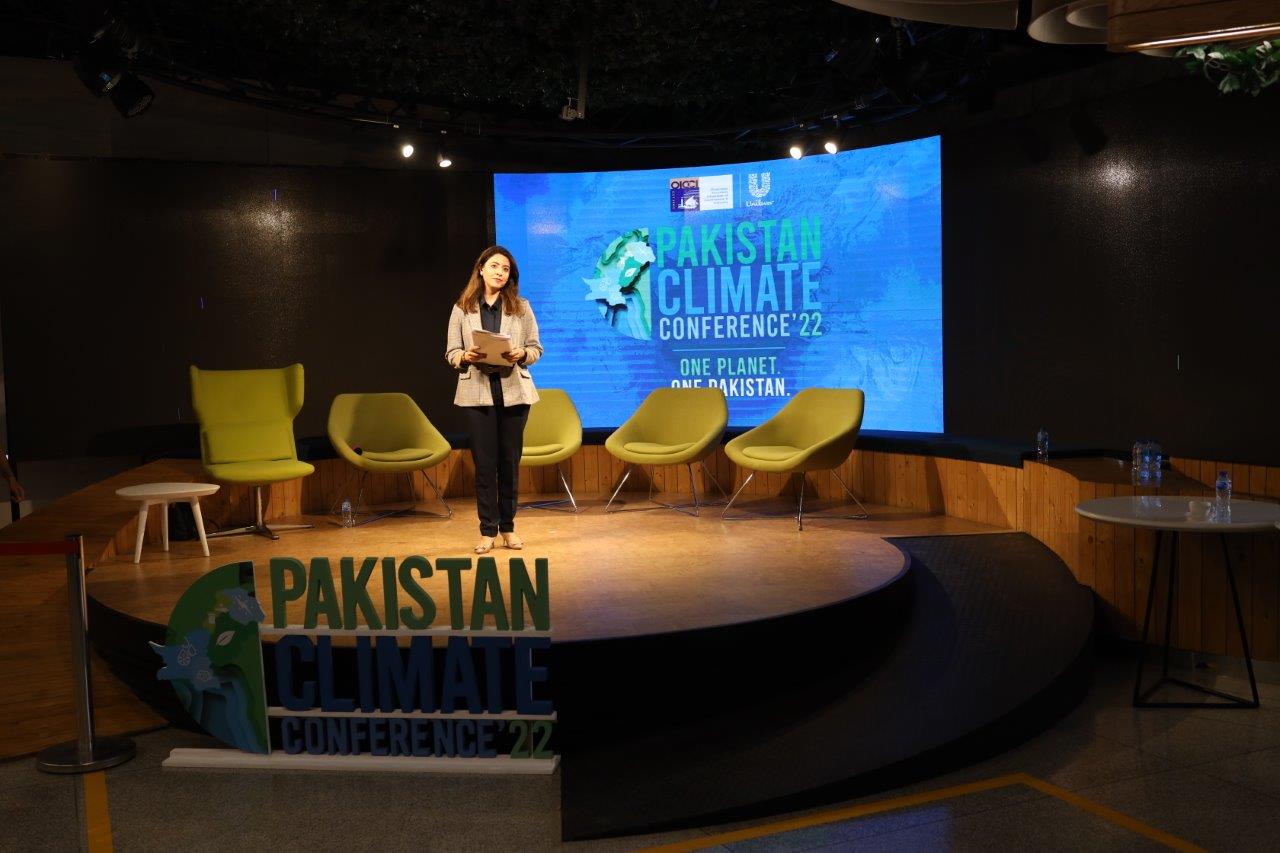
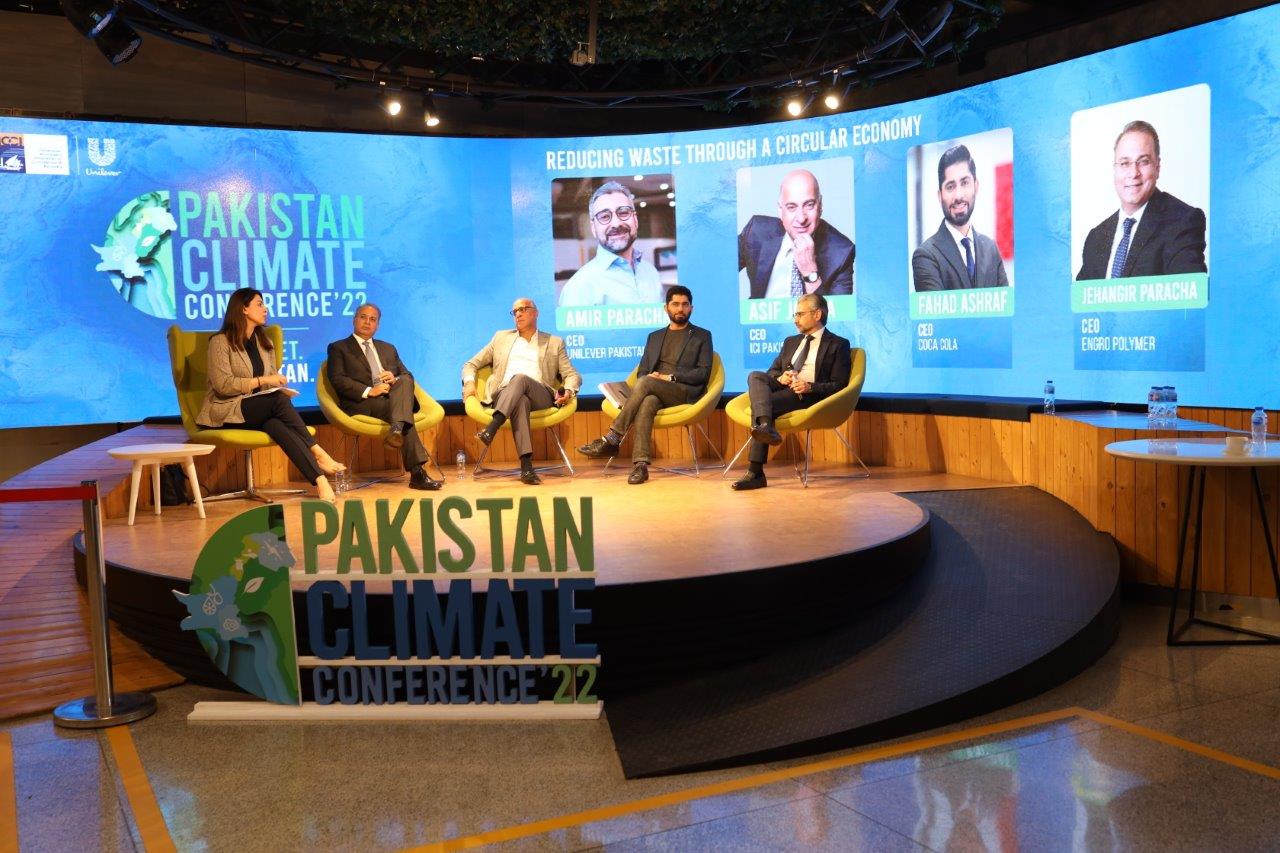
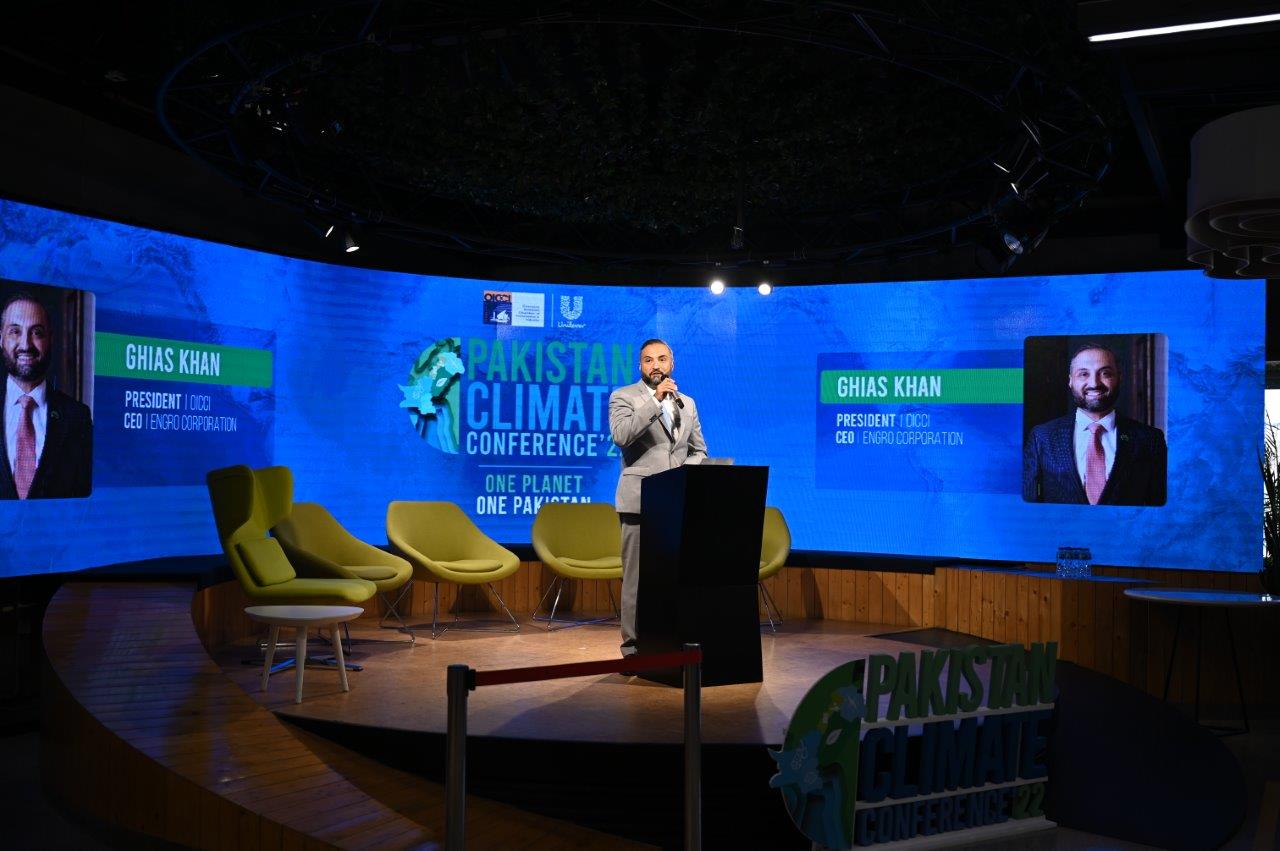
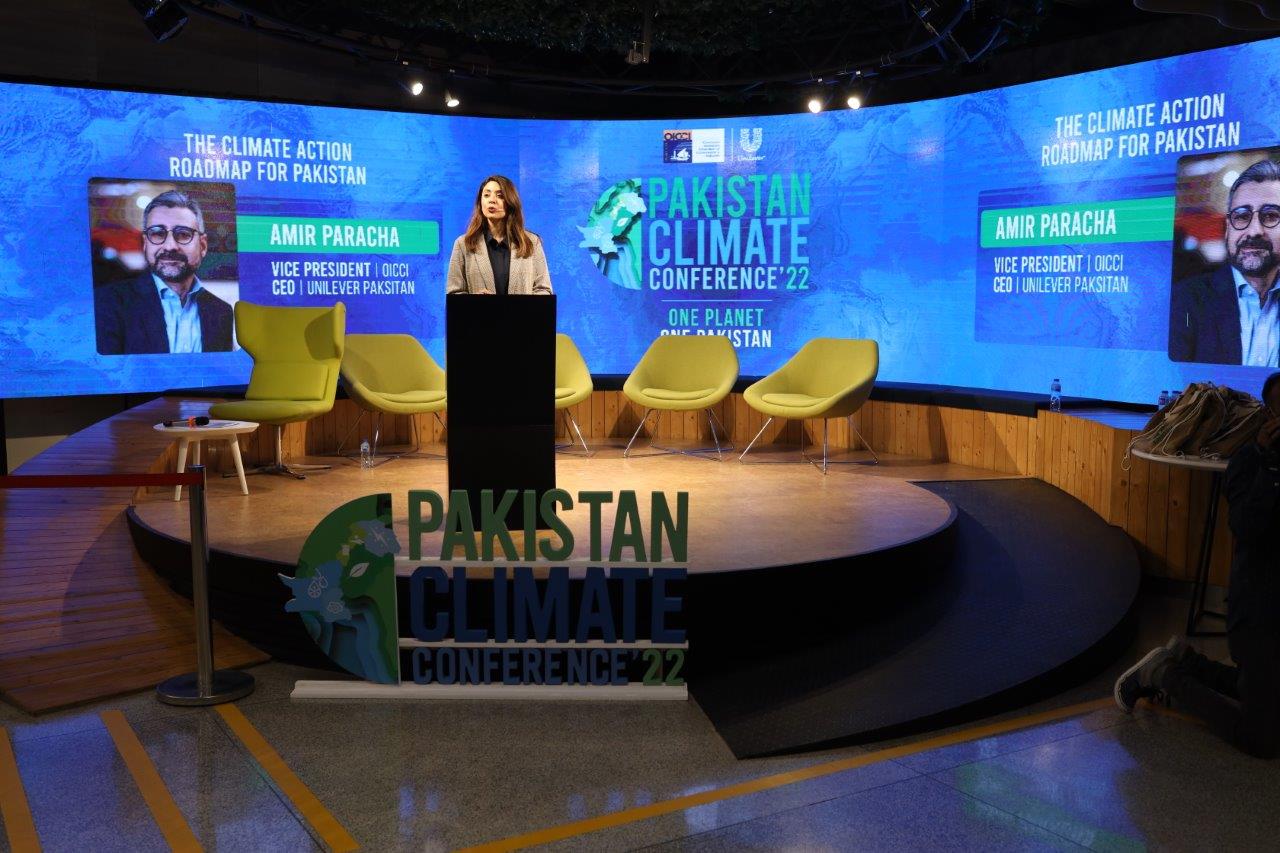
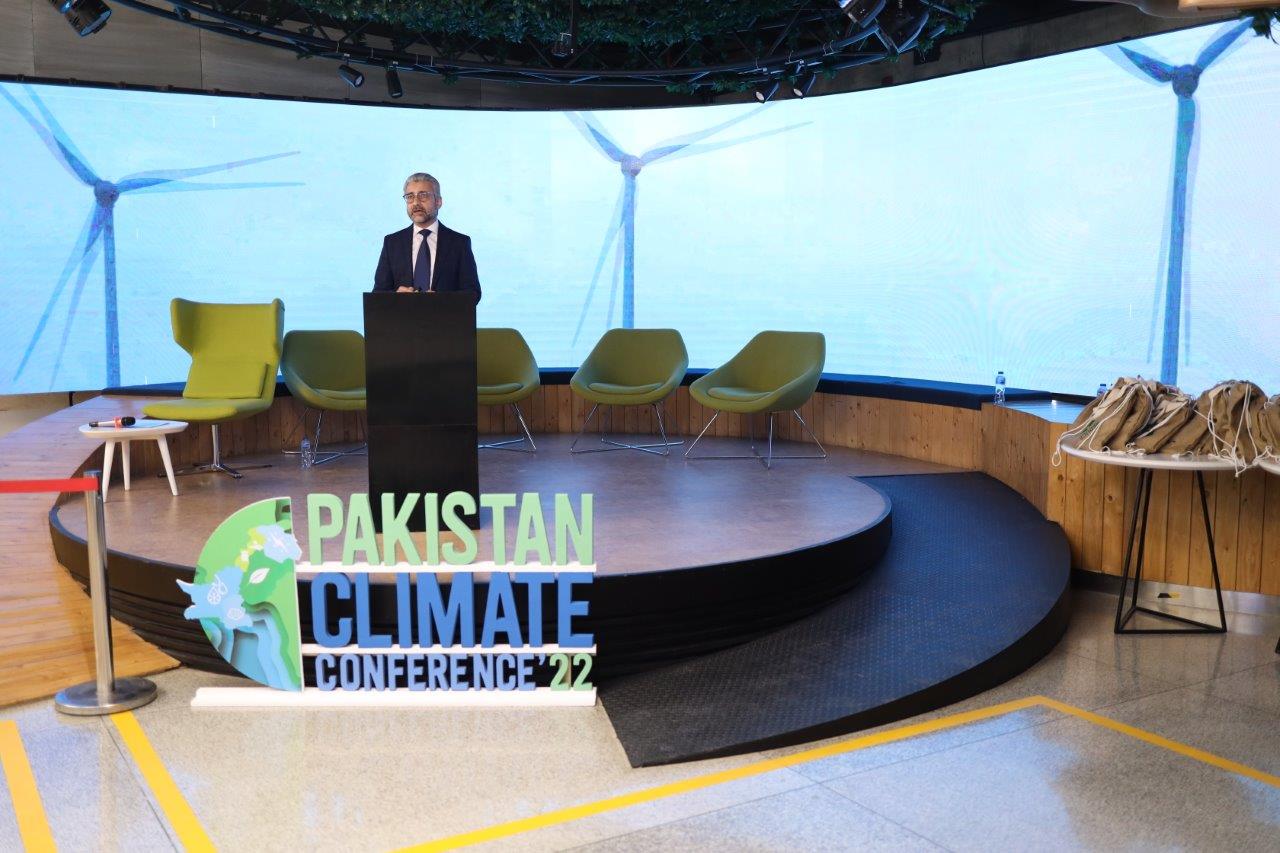
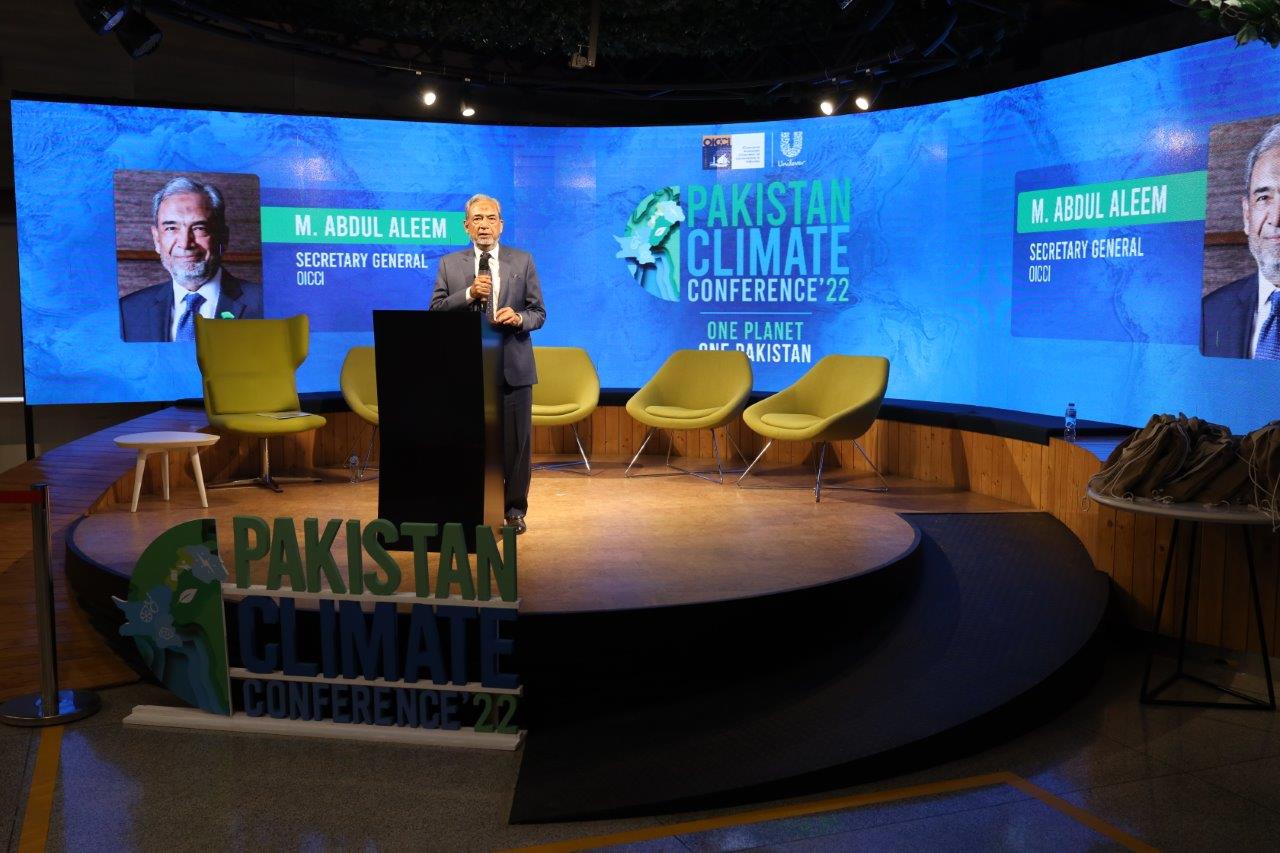
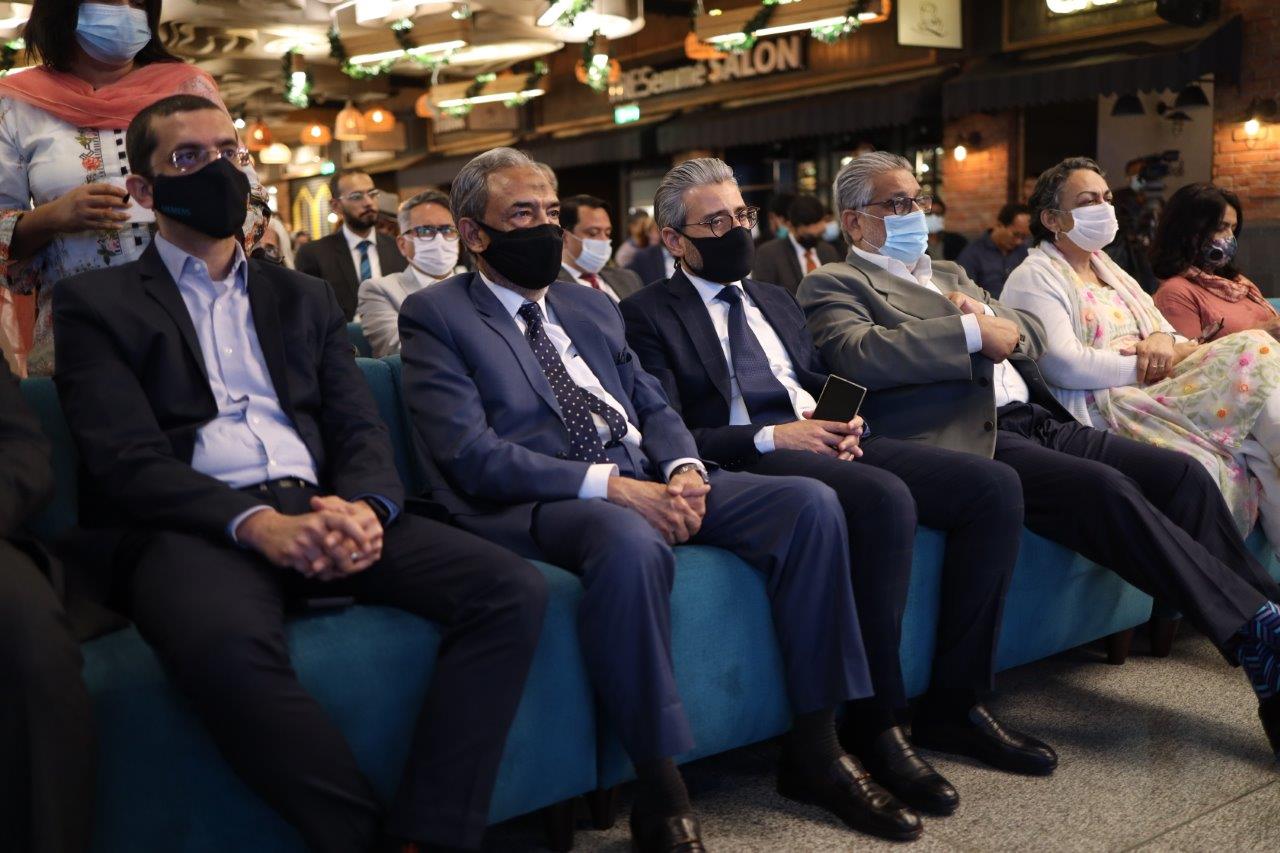
The Overseas Investors Chamber of Commerce & Industry (OICCI) organized the ‘Pakistan Climate Conference (PCC) 2022’ on March 16, 2022. The OICCI is the representative body of international investors operating in Pakistan, aiming to leverage the expertise of OICCI members for the benefit of the investors and the country.
The Pakistan Climate Conference was built on learnings from the COP 26 to identify and implement efforts needed to reduce climate impact in Pakistan. The conference brought together global climate experts, policy makers and corporate decision makers to share learnings and best practices to help Pakistan develop necessary policy and climate interventions. The conference successfully laid the foundation for an action plan that should help Pakistan meet its global climate commitments and ensure the sustainability of its economy.
For three decades the UN has been bringing together every country on earth for global climate summits for ‘Conference of the Parties’ or COPs. In 2015, COP 21 was when the historic Paris Agreement was born to keep global warming to 1.5C. However, the commitments laid out in Paris did not limit global warming and the window for achieving this is closing. The Glasgow Climate Pact has kept the hope of 1.5C alive but has also highlighted the collective effort needed by all countries to ensure they deliver as per their pledged commitments. The Pakistan Climate Conference built its discussion around these commitments that are necessary to save the world and specifically environment of Pakistan.
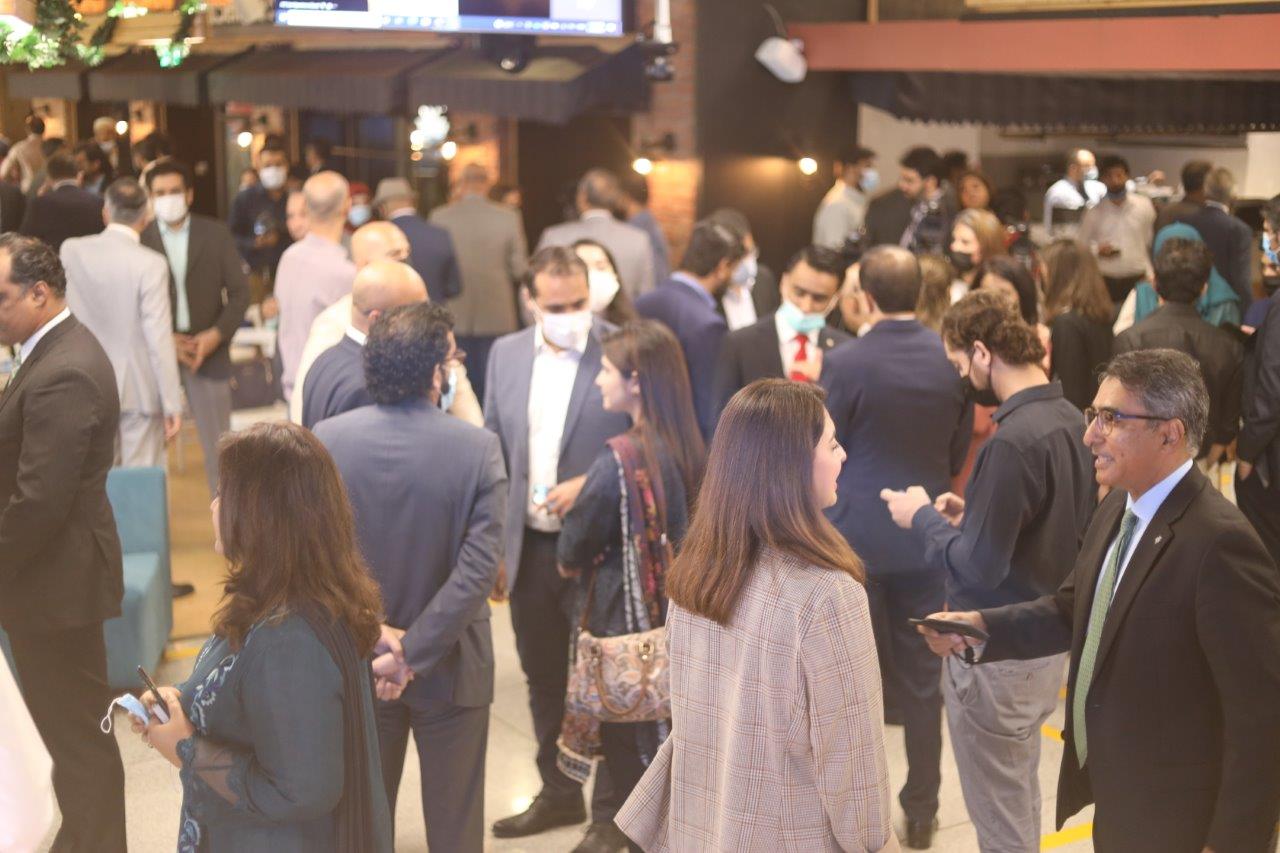
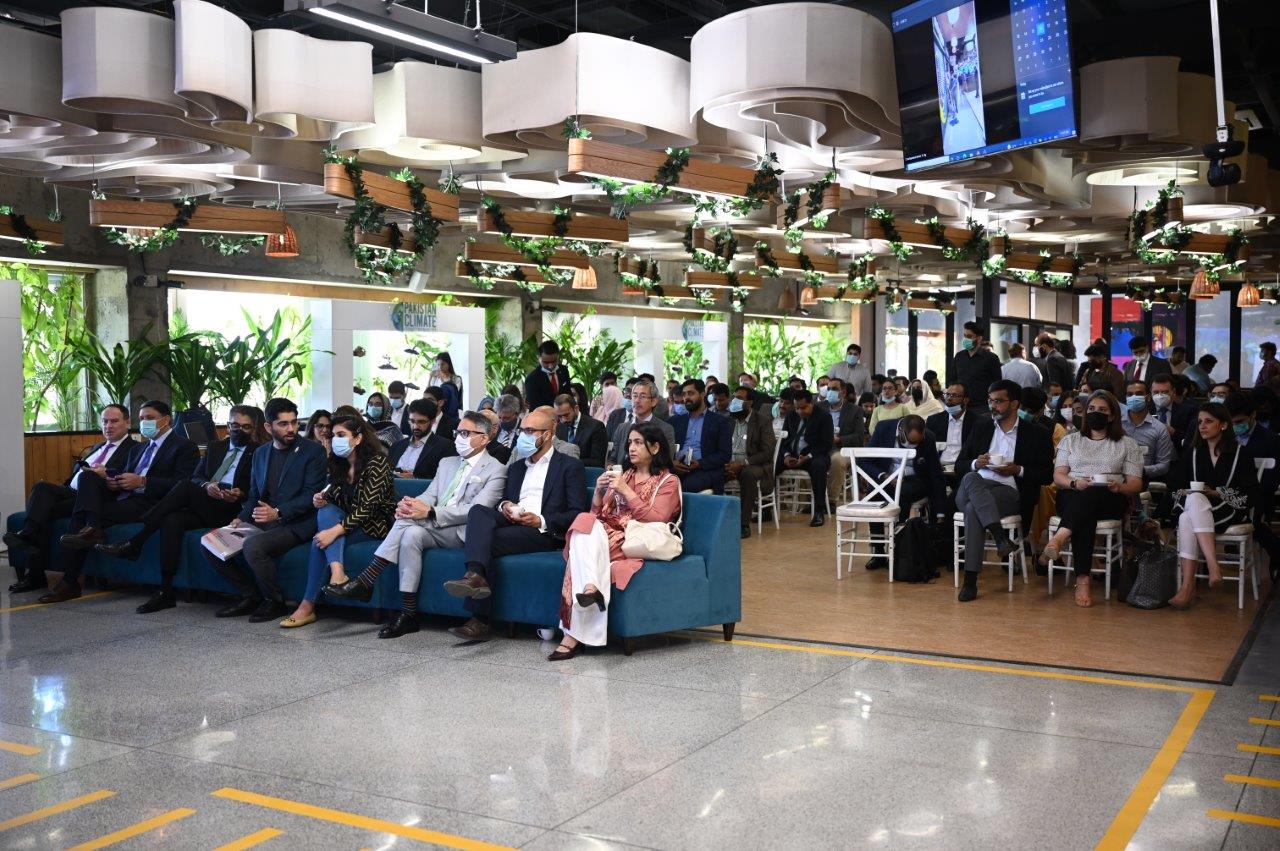
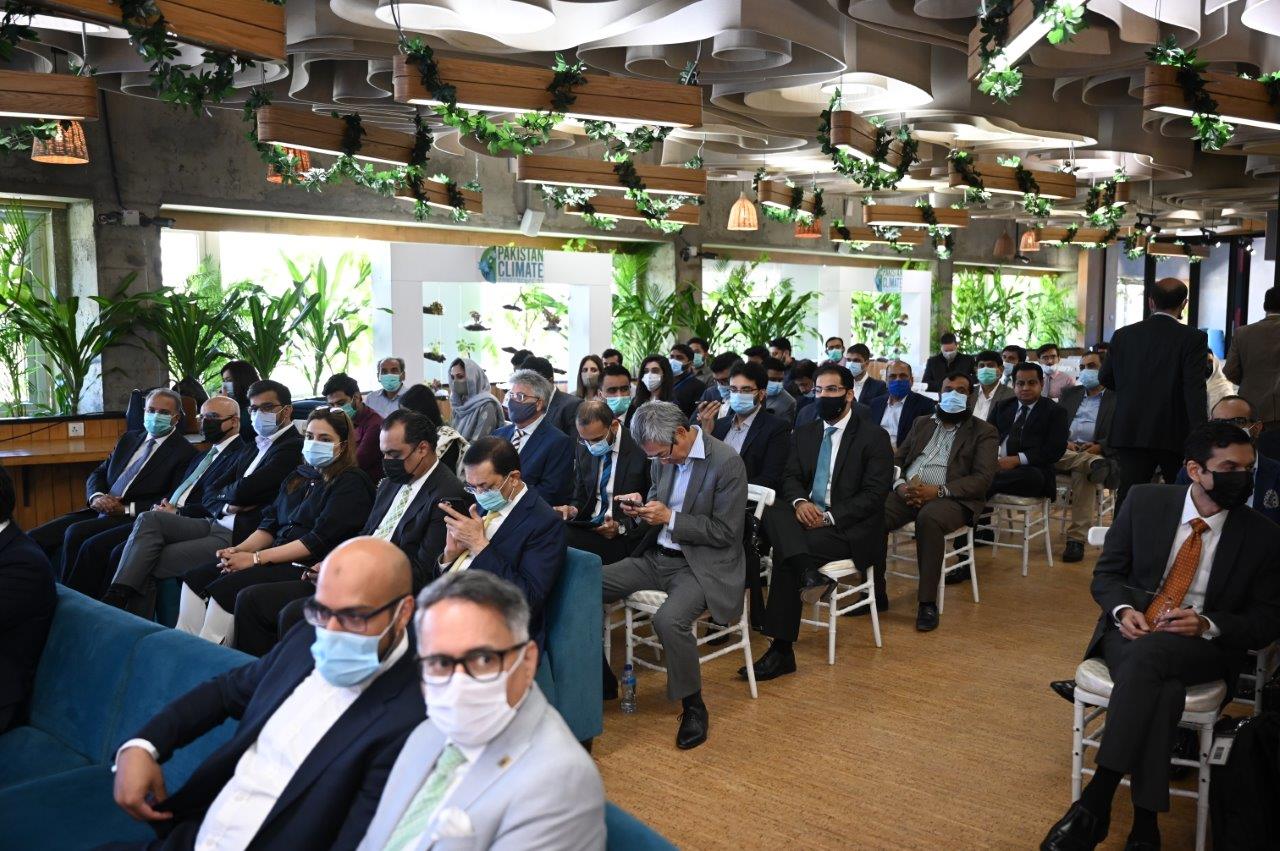
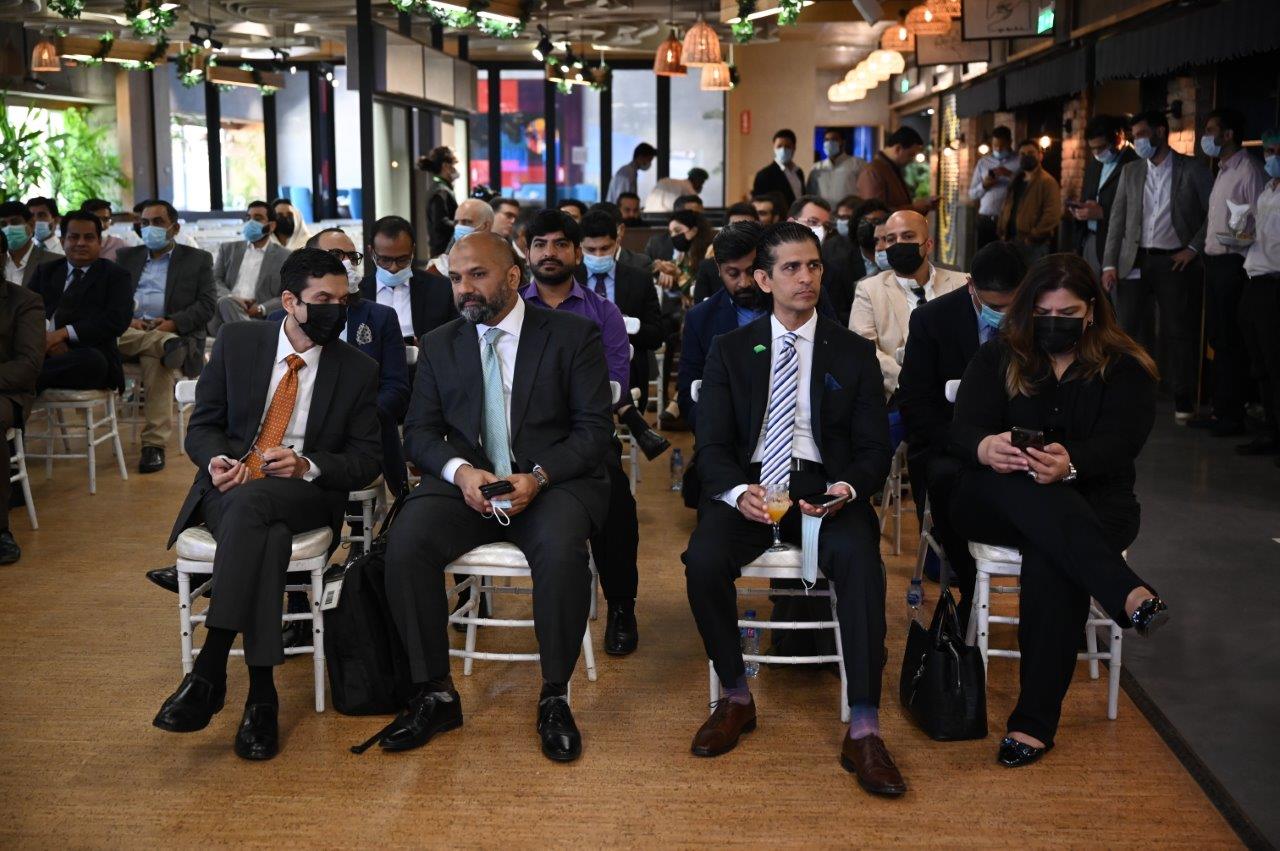
The event, sponsored by OICCI members, was attended by a large number of participants representing government officials, NGOs, policy makers, climate experts, climate change activists, academia, civil society members, journalists and industry leaders. SAPM on Climate Change (then), Malik Amin Aslam, lauded OICCI for bringing together several corporations on one platform and helping the government to lead climate actions in Pakistan. Adviser to PM on Commerce and Investment (then), Abdul Razak Dawood, also applauded the OICCI and said that Pakistan Climate Conference has laid the foundation for an action plan that will help Pakistan meet its global climate commitments and ensure the sustainability of its economy.
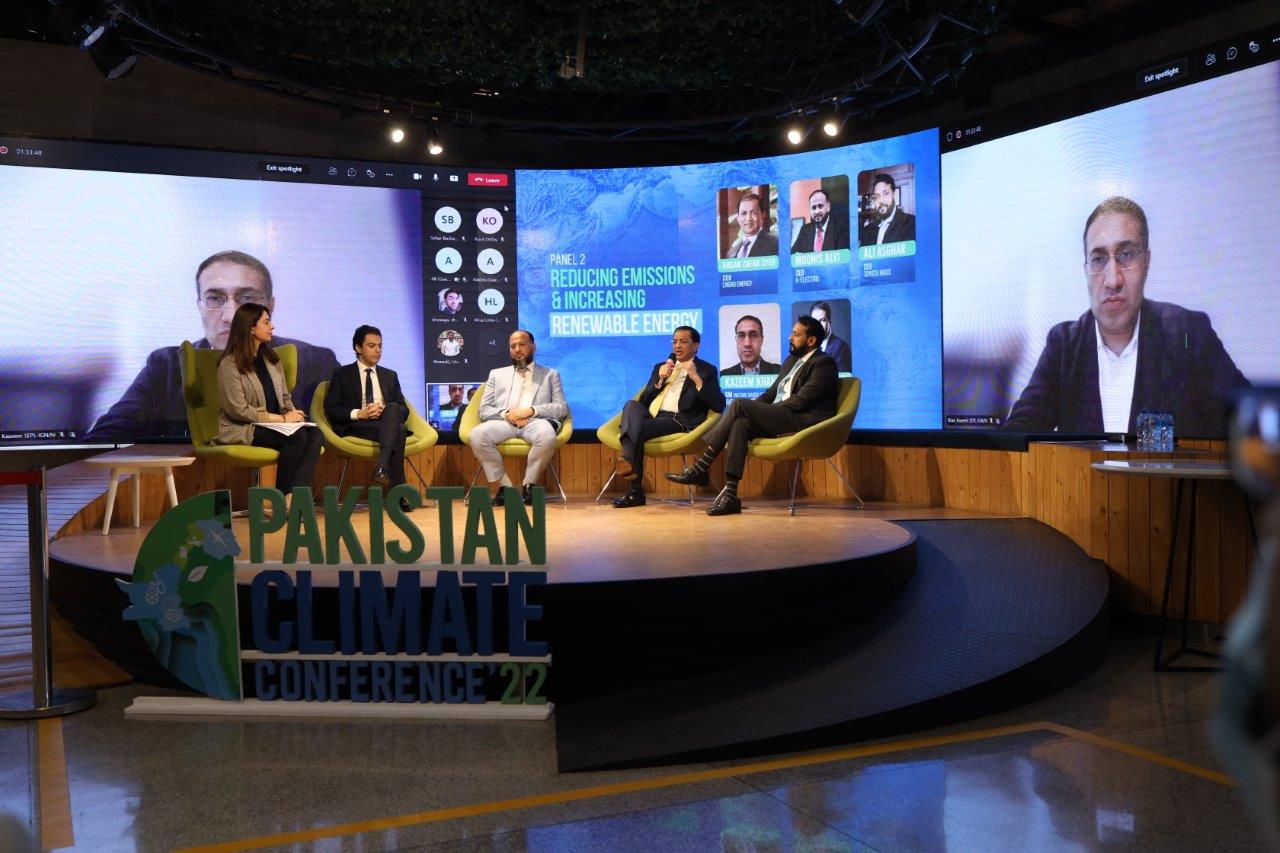
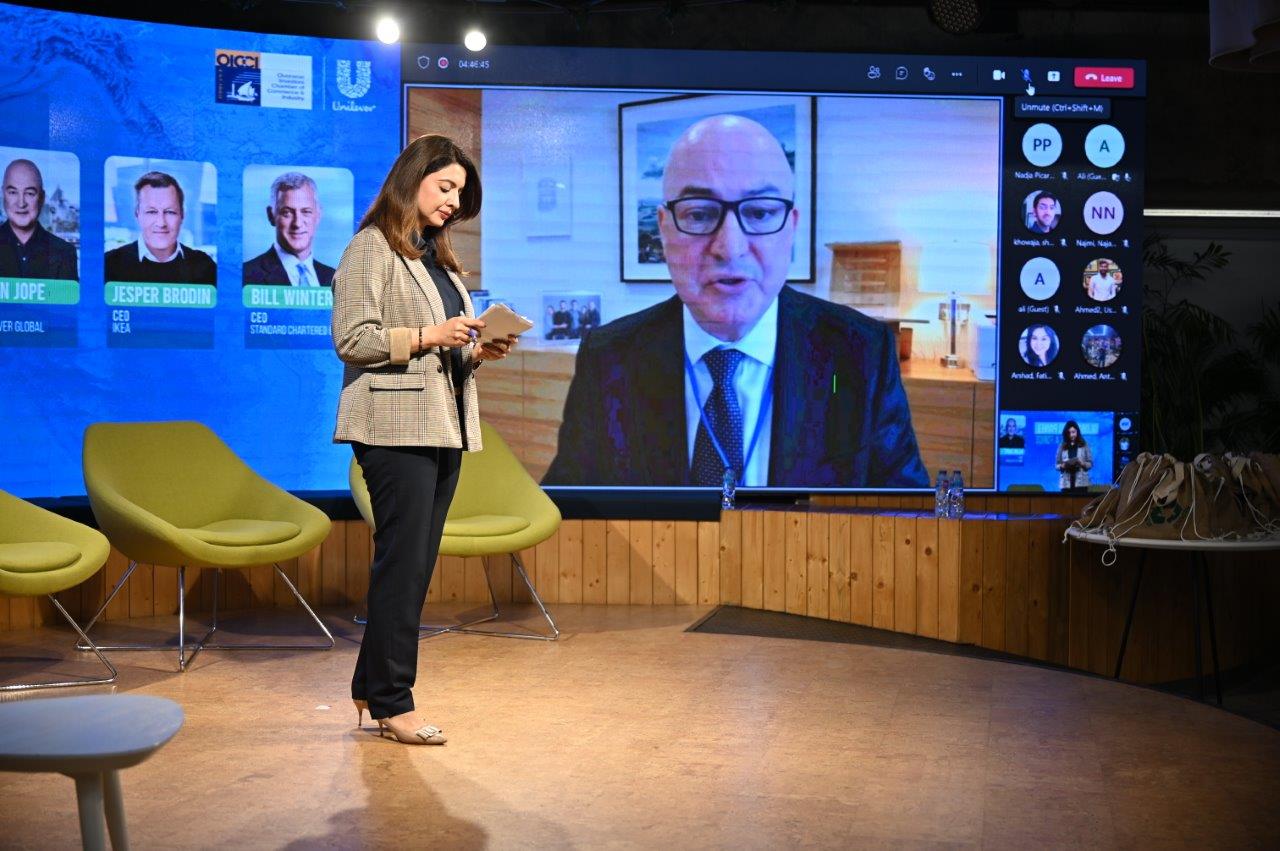
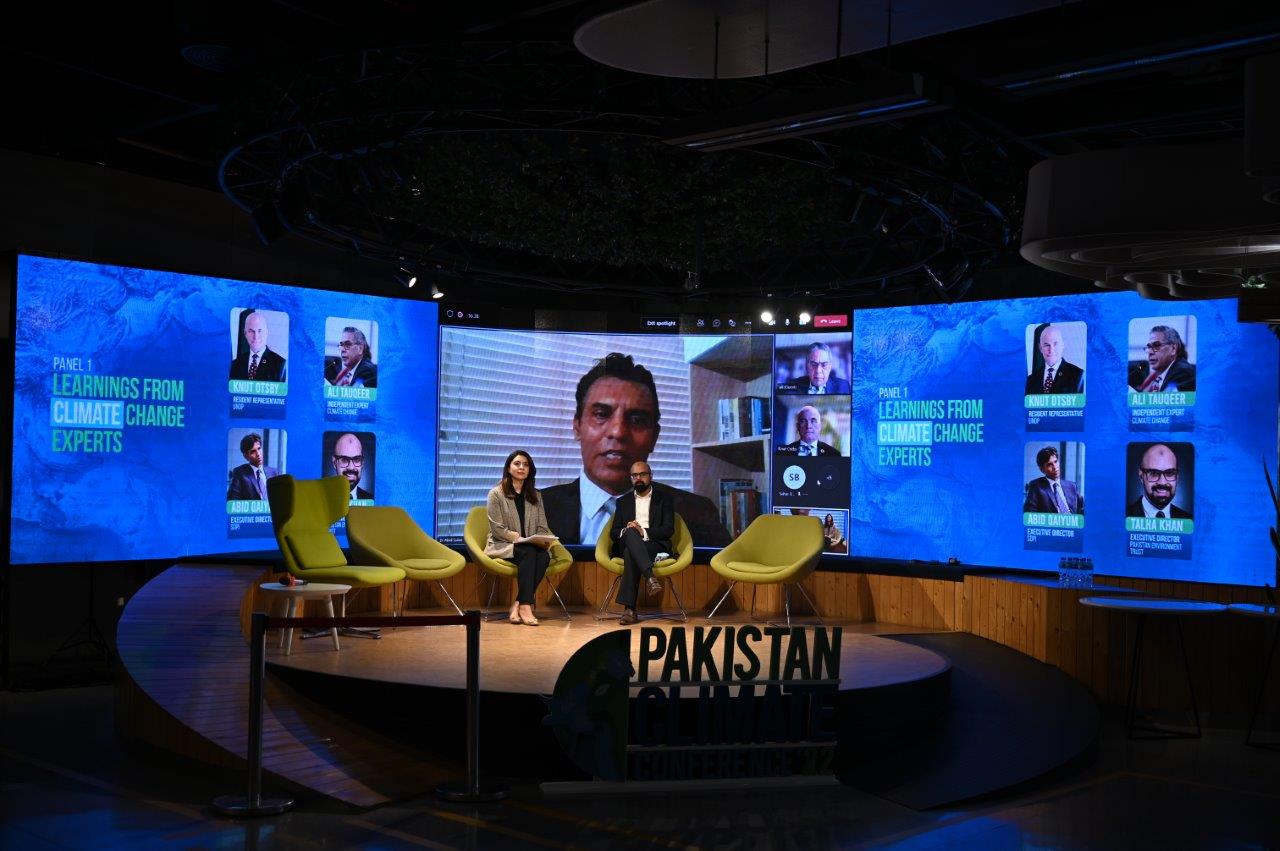
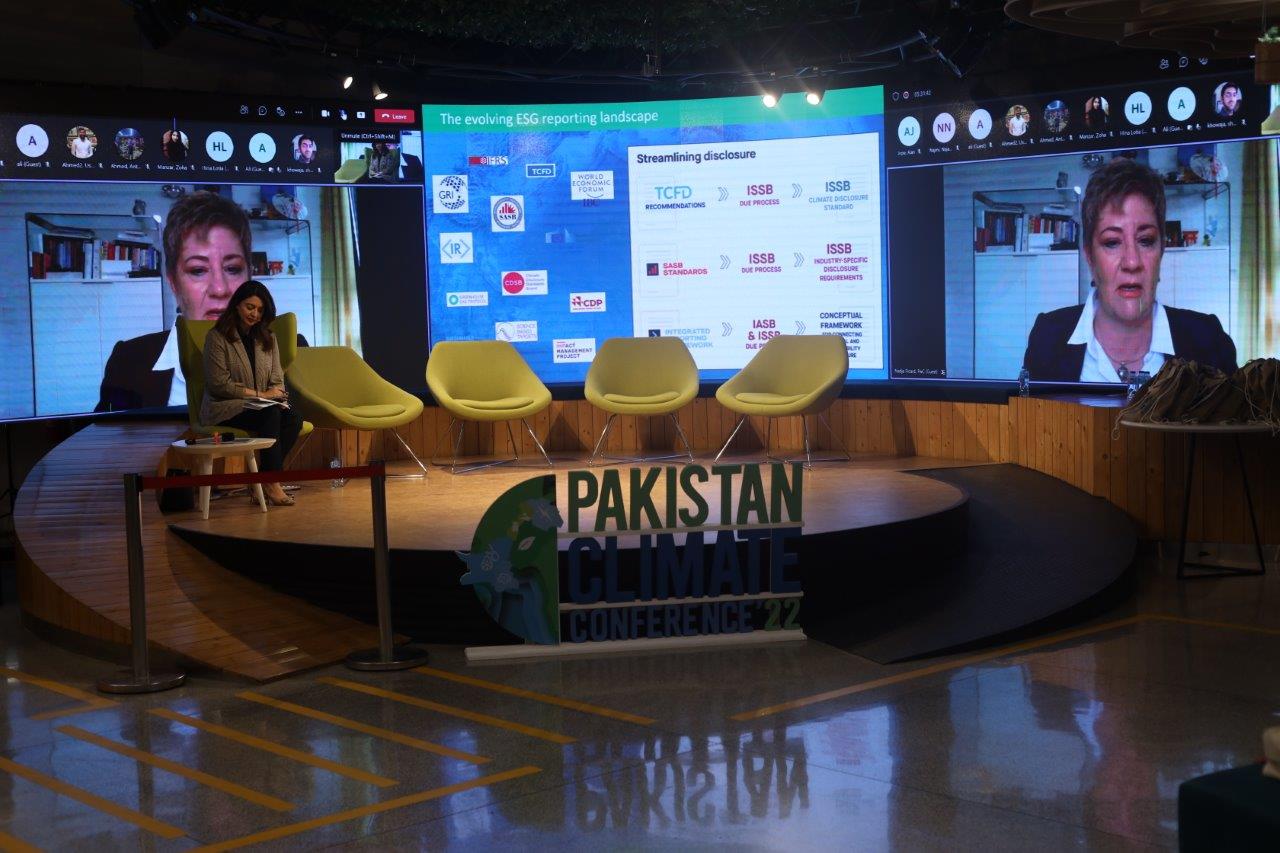
The Pakistan Climate Conference 2022 was organized in a hybrid format with speakers and participants joining physically and virtually. The PCC built around the availability of global climate activists and corporate leaders.
The keynote speakers sat on different panels that focused on climate issues facing Pakistan including reducing emissions, reducing waste, and ensuring fair usage of water. Besides leading professionals on Climate Change, the conference was addressed by global CEOs of Unilever, Mr. Alan Jope, IKEA, Mr. Jesper Brodin, SCB, Mr. Bill Winters, Mr. Alok Sharma, President COP26, Ms. Nadja Picard, Head of Reporting, PwC Global and experts on climate governance included Mr. Knut Ostby, Resident Representative of UNDP Pakistan, and Dr. Abid Qaiyum Suleri, Executive Director SDPI. The speakers said that Pakistan has much to do if it is to meet its ambitious Nationally Determined Contributions (NDCs), which aims to cut 50% of projected emissions and achieve 60% renewable energy by 2030. In addition, Pakistan has set the vision to work on clean transport, with 30% electric vehicles by 2030. All of this requires urgent and concrete policy action within the country over the remainder of this decade. In view of this ambition, the Pakistan Climate Conference has started dialog on several critical areas and provide the dialogue needed for the country to speed up its climate positive journey.
The speakers stressed on the efforts required to reduce climate impact in Pakistan and implement learnings and best practices to help Pakistan develop necessary climate interventions. Local as well as global speakers shared their ambitions, solutions, and learnings to foster climate change actions in Pakistan. The panel discussions covered a wide range of topics including the importance of renewable energy in reducing emissions along with Pakistan’s potential and policy issues, reducing waste through circular economy, sustainable solutions to bring recyclable plastic back into use, reducing waste usage in industrial processes and scientific tracking of environmental metrics.