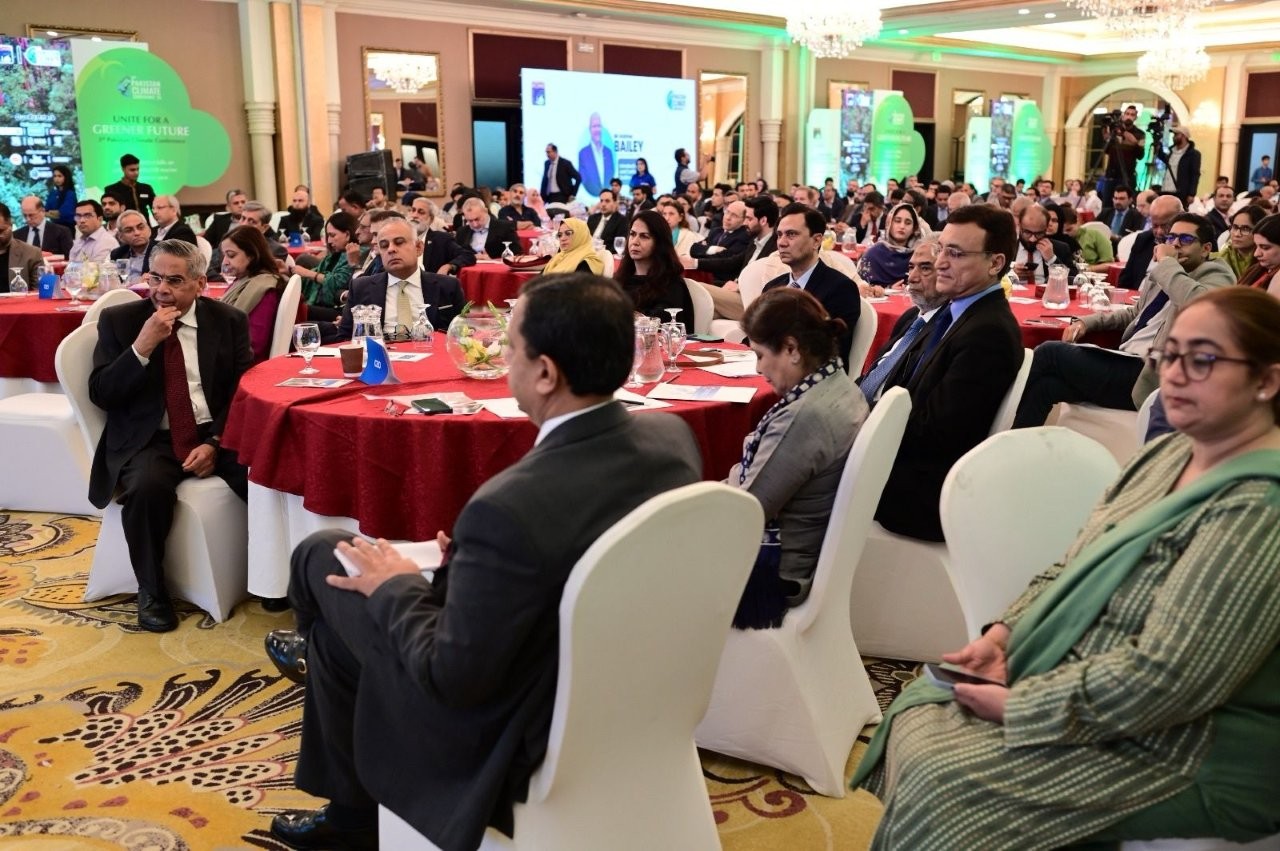
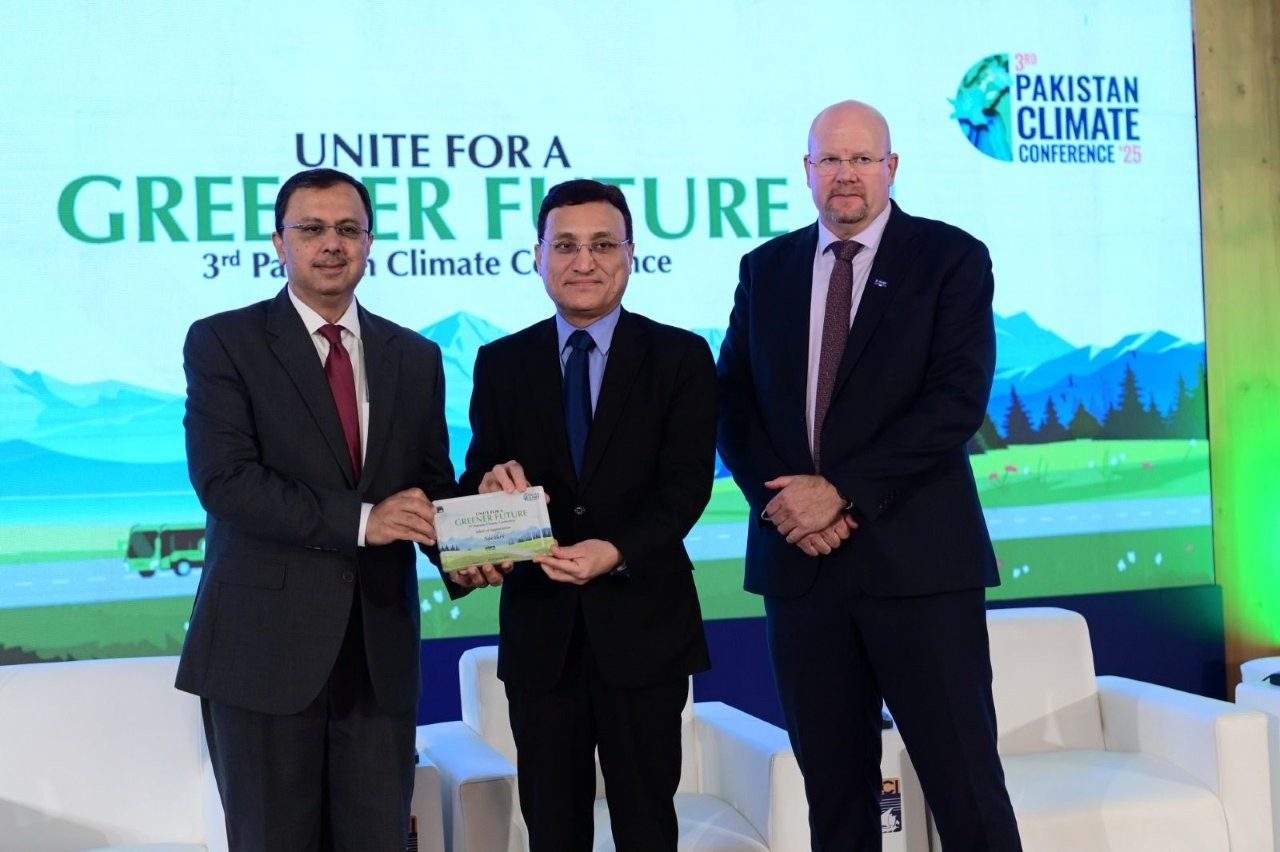
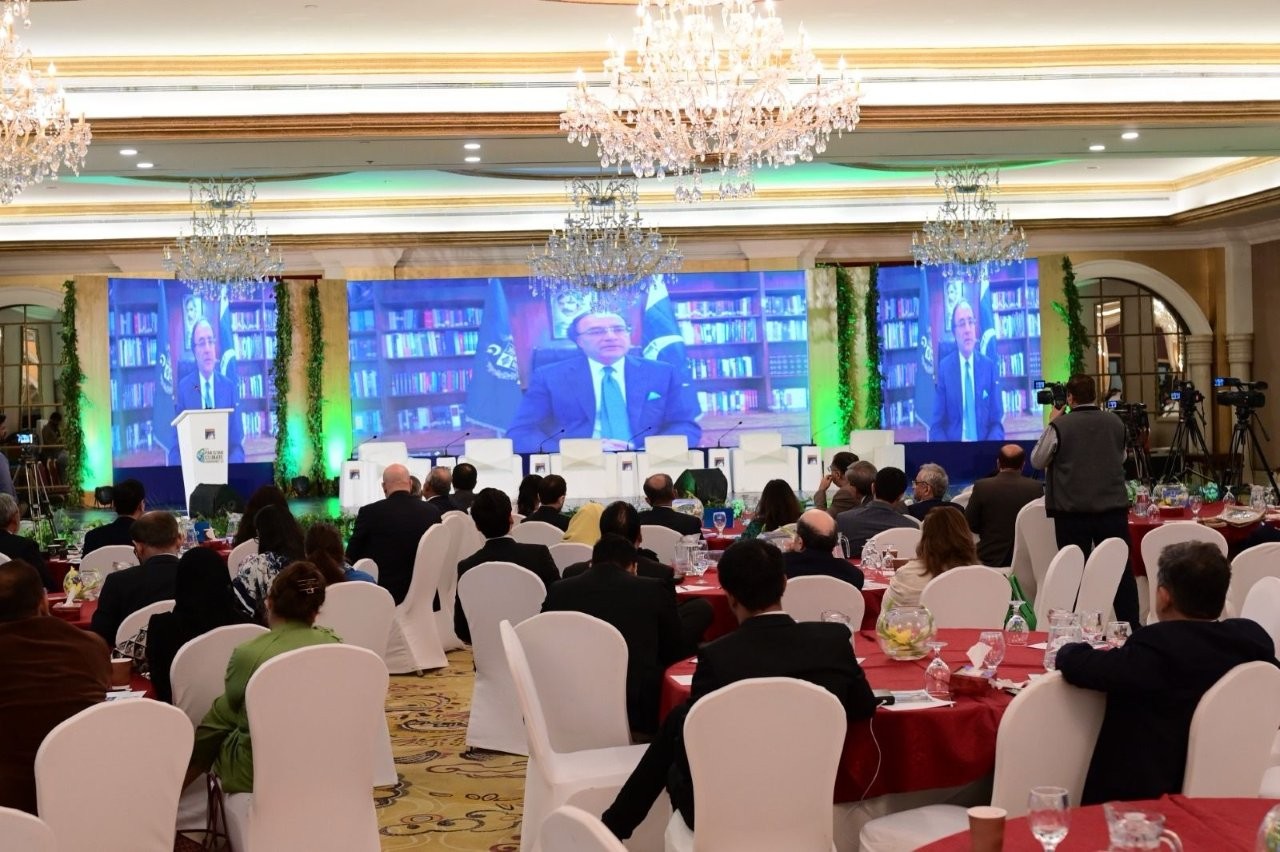
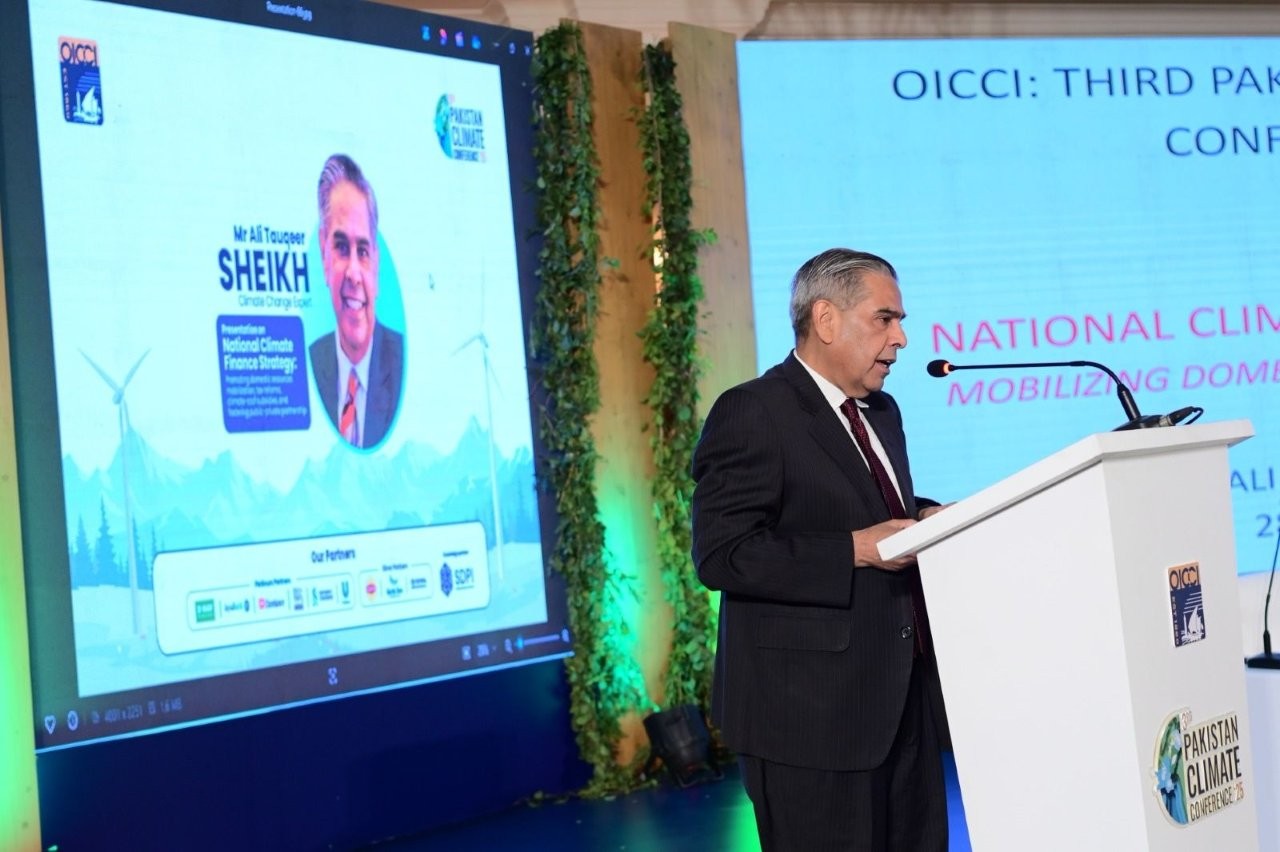
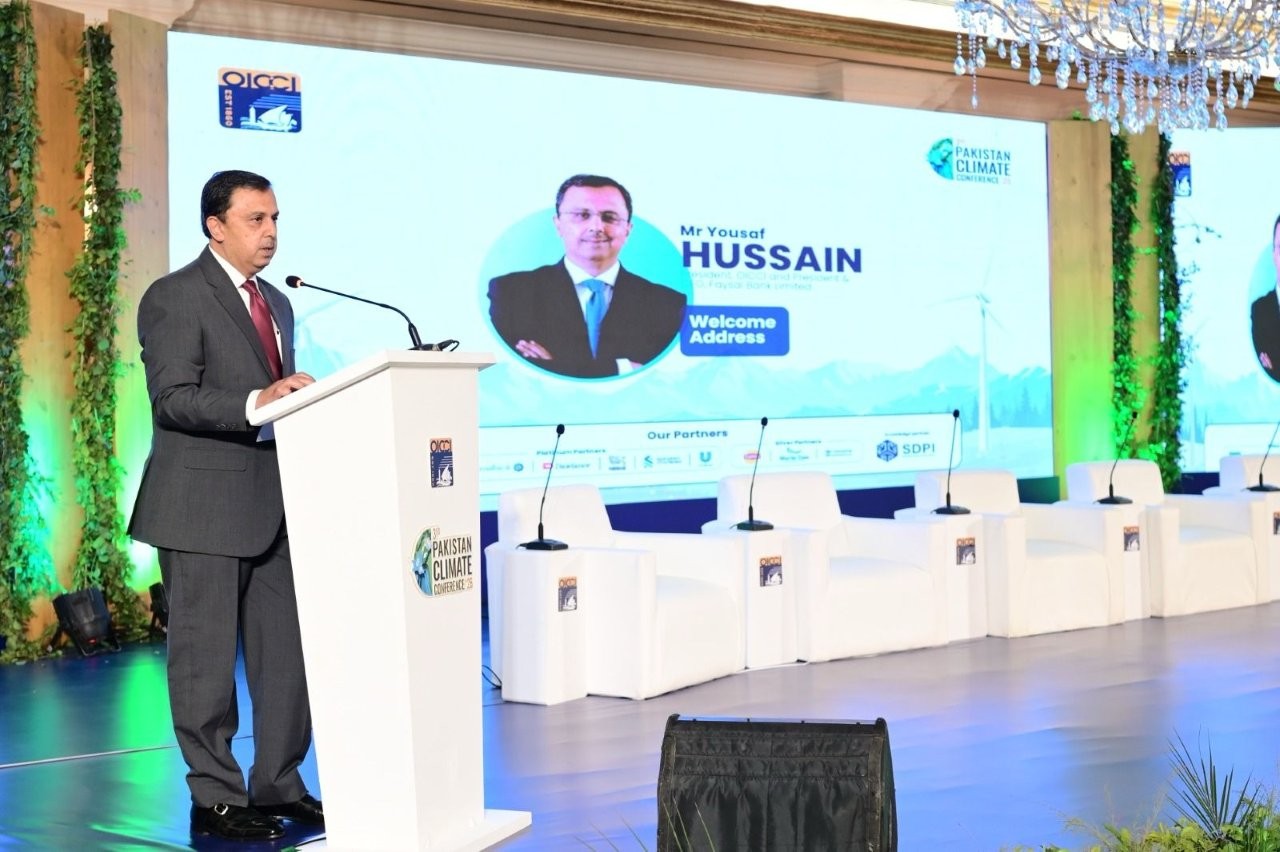
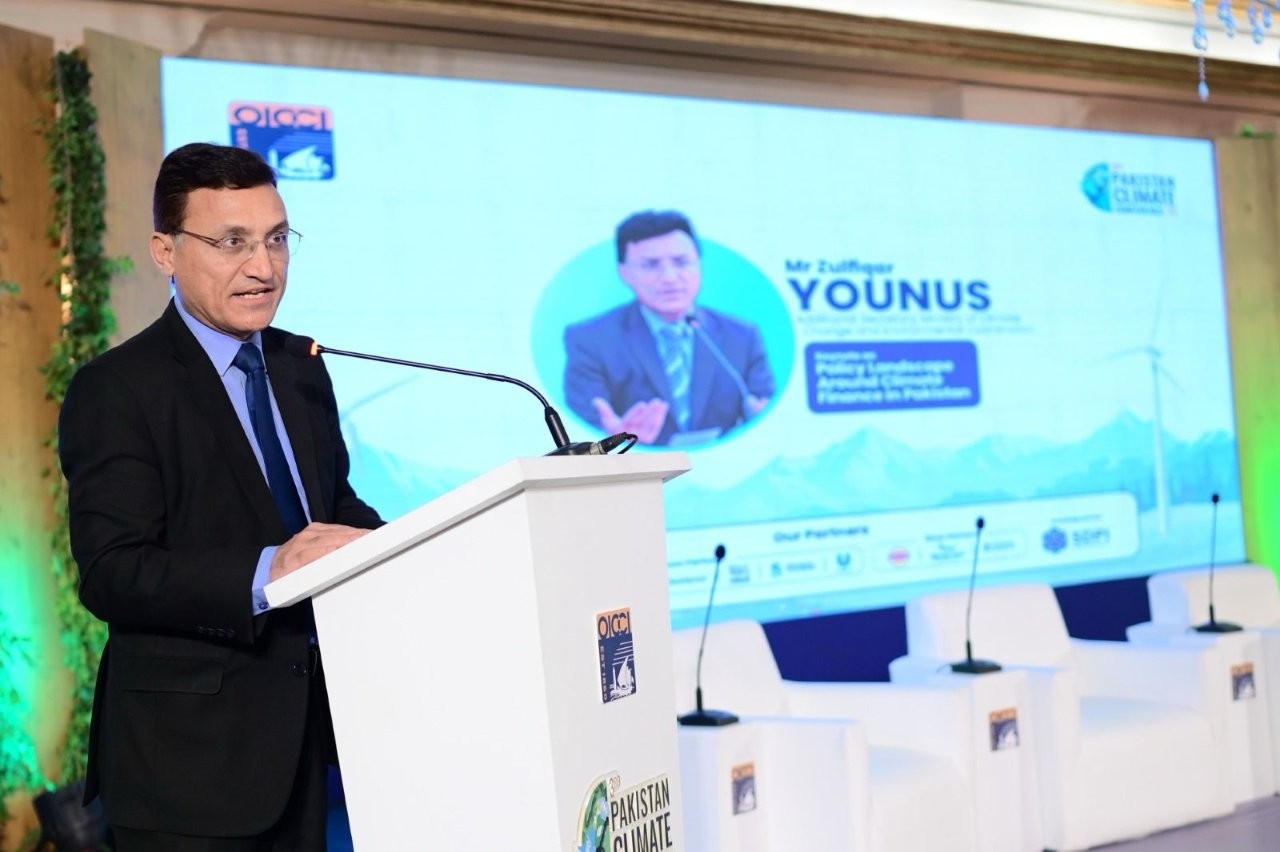
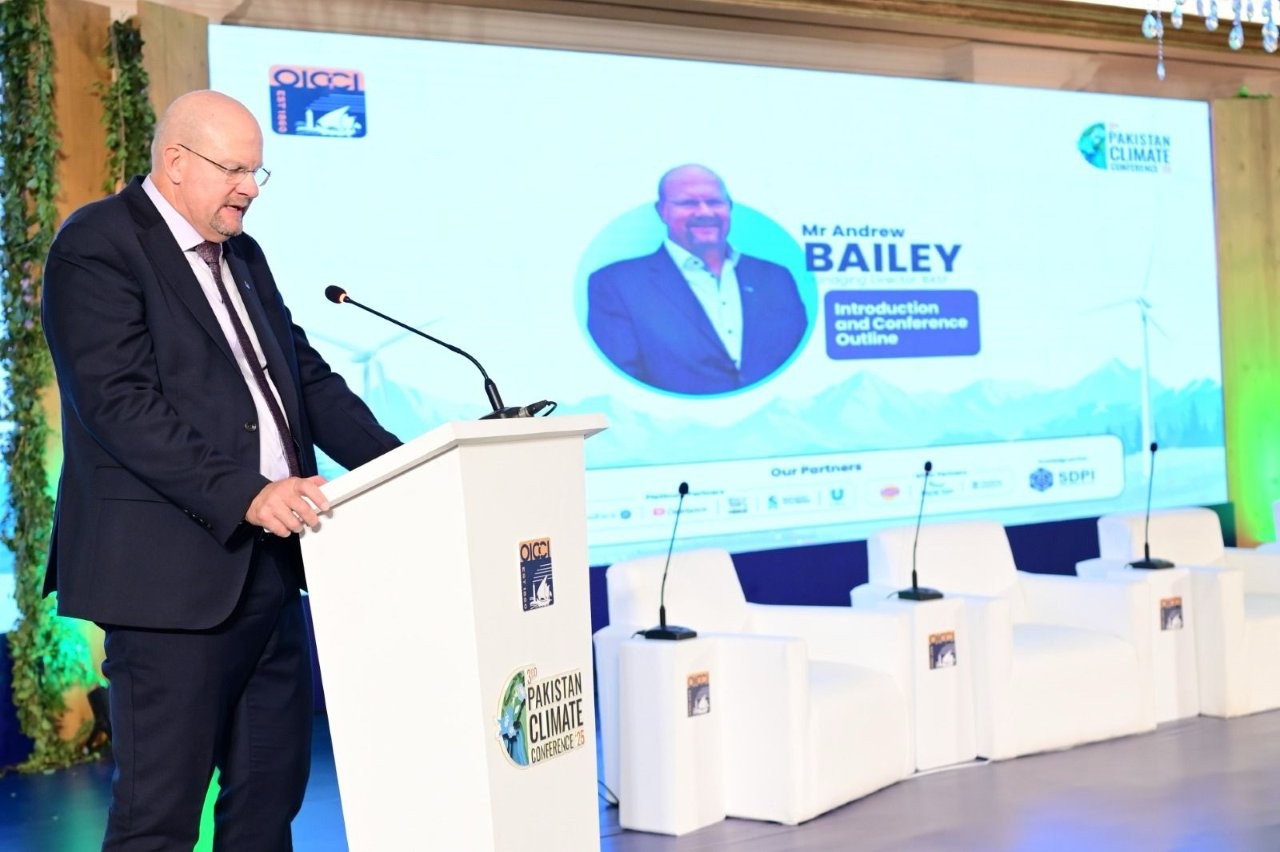
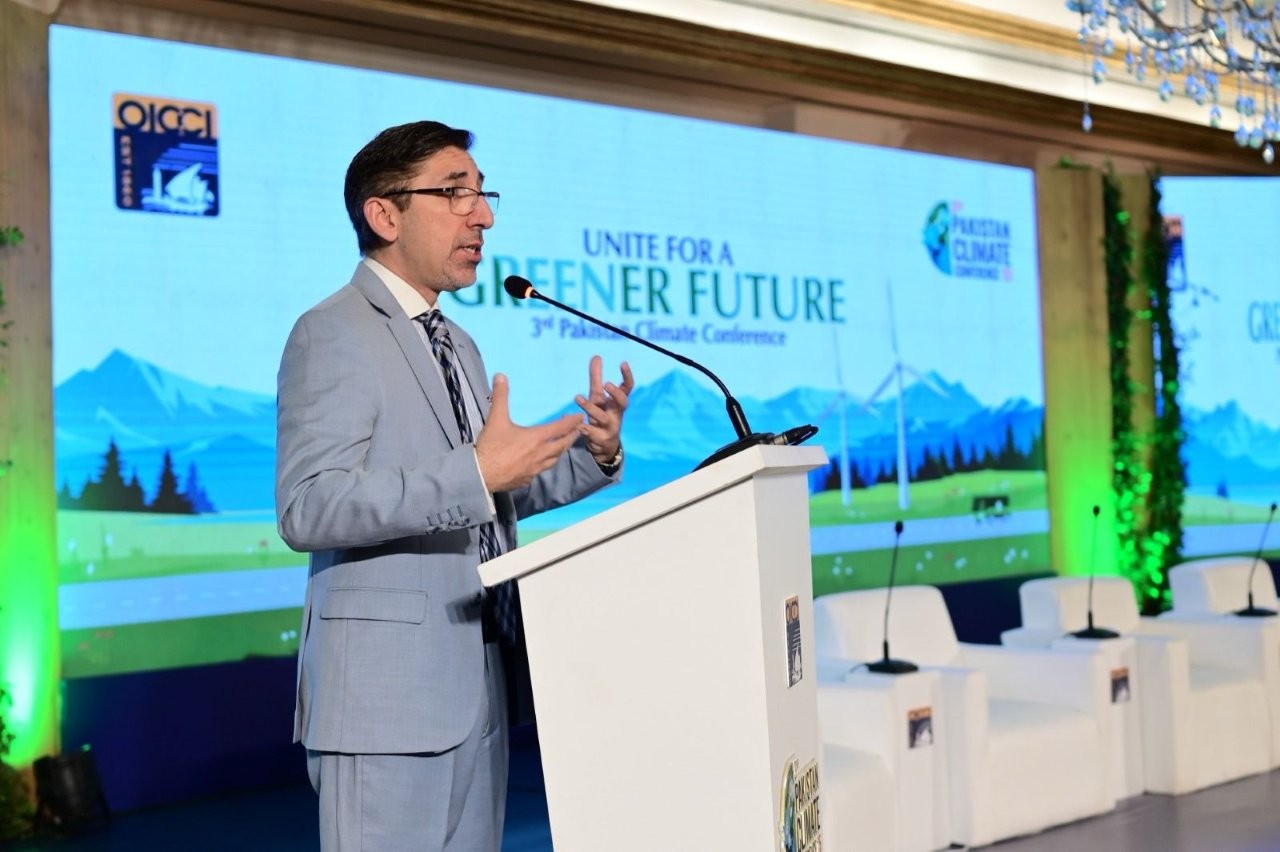
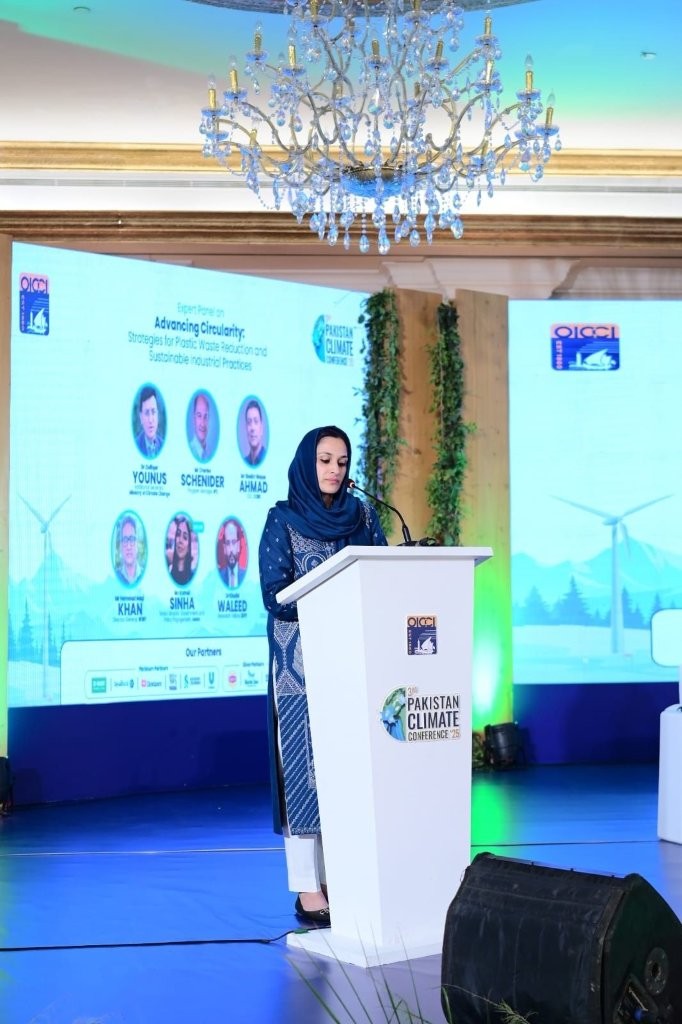
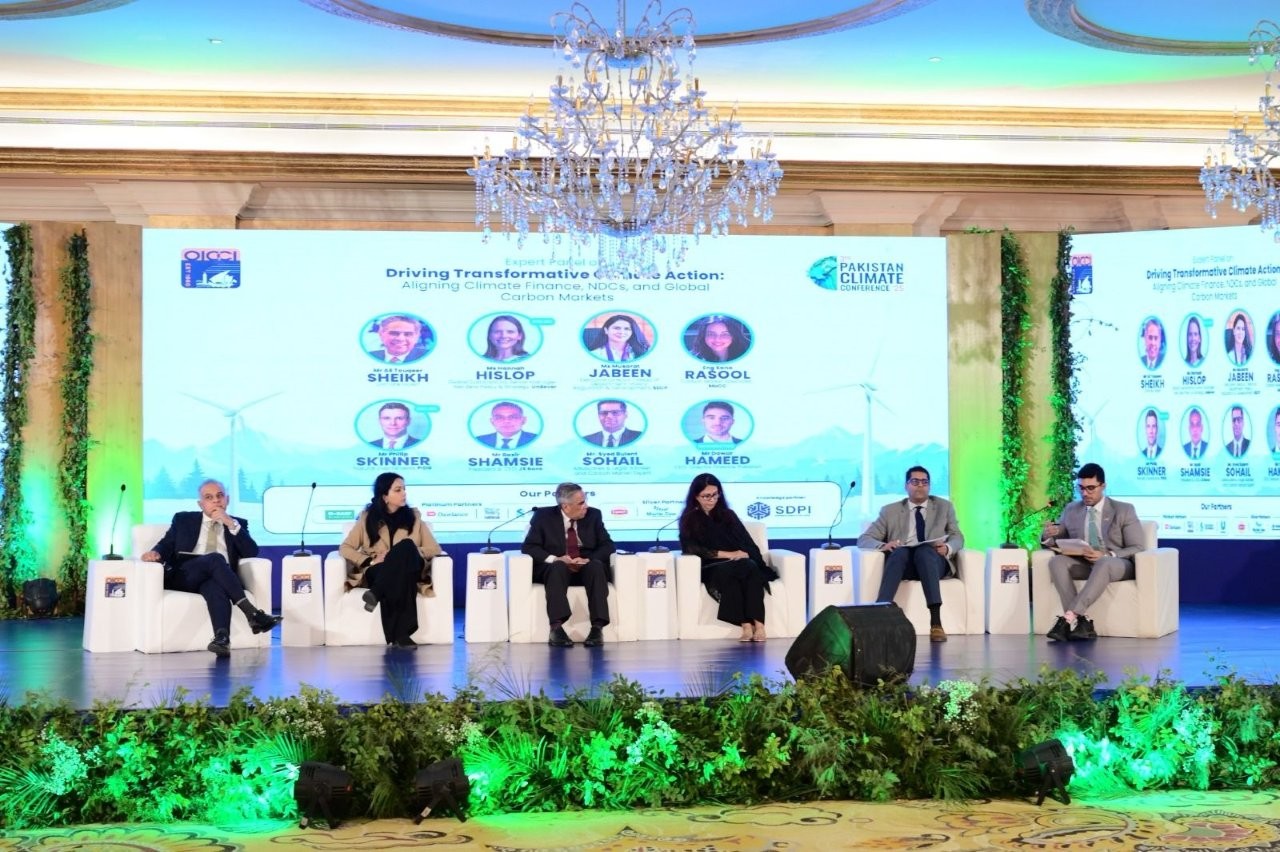
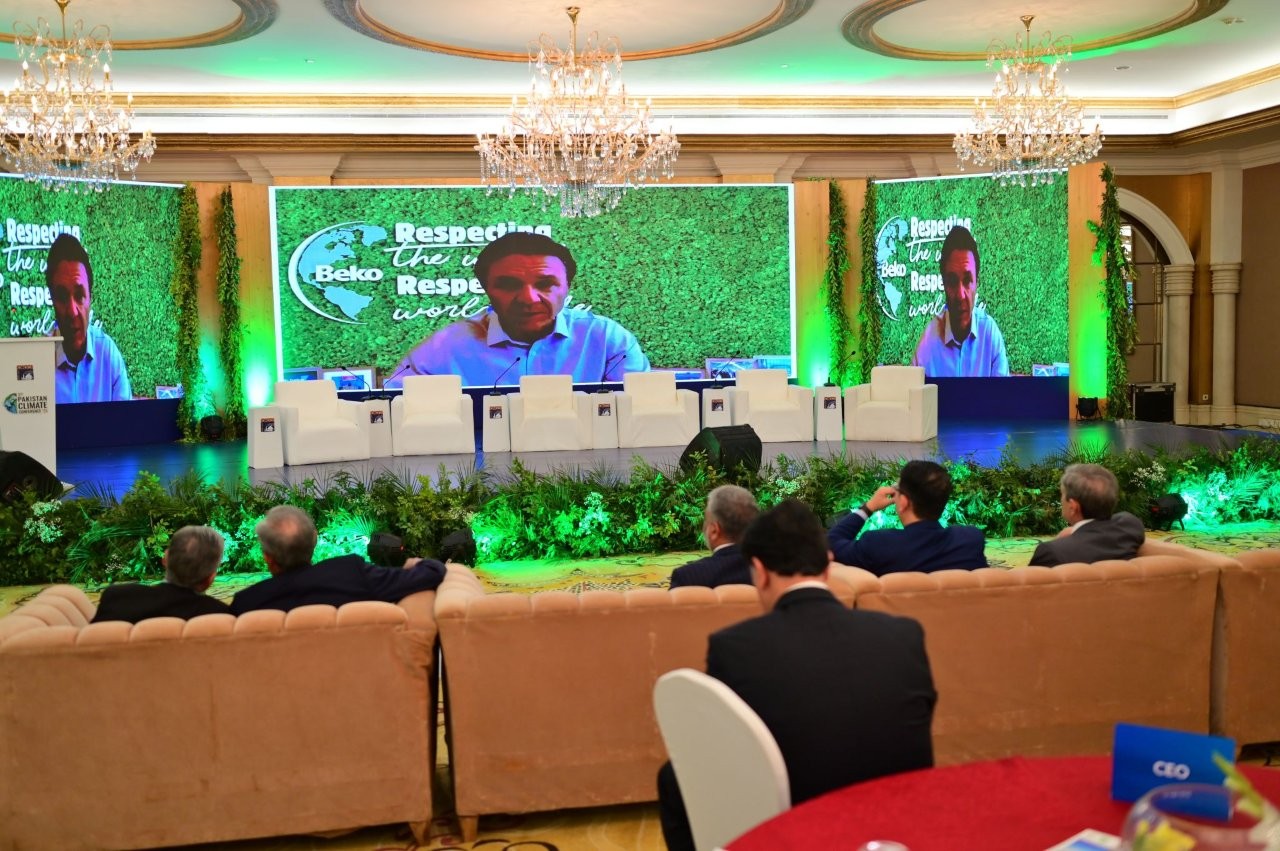
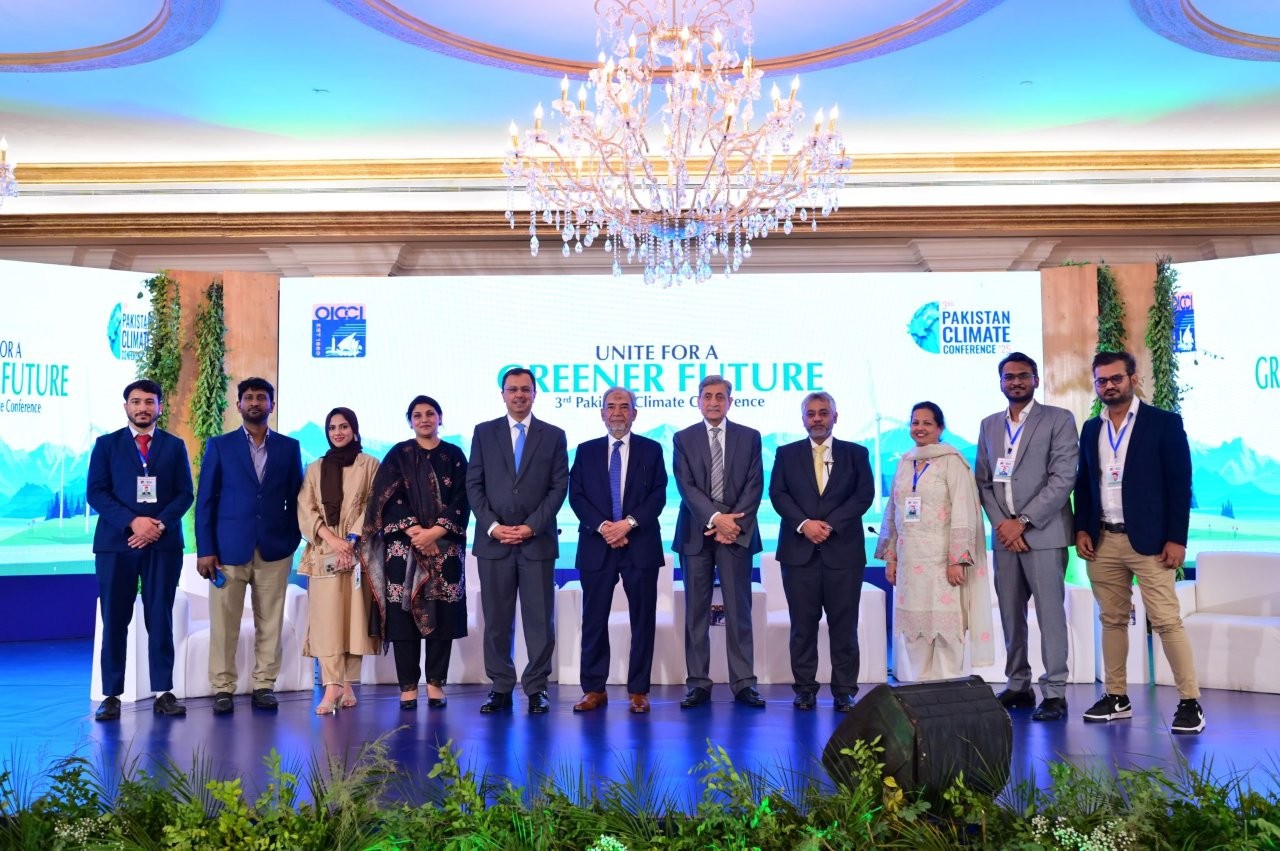
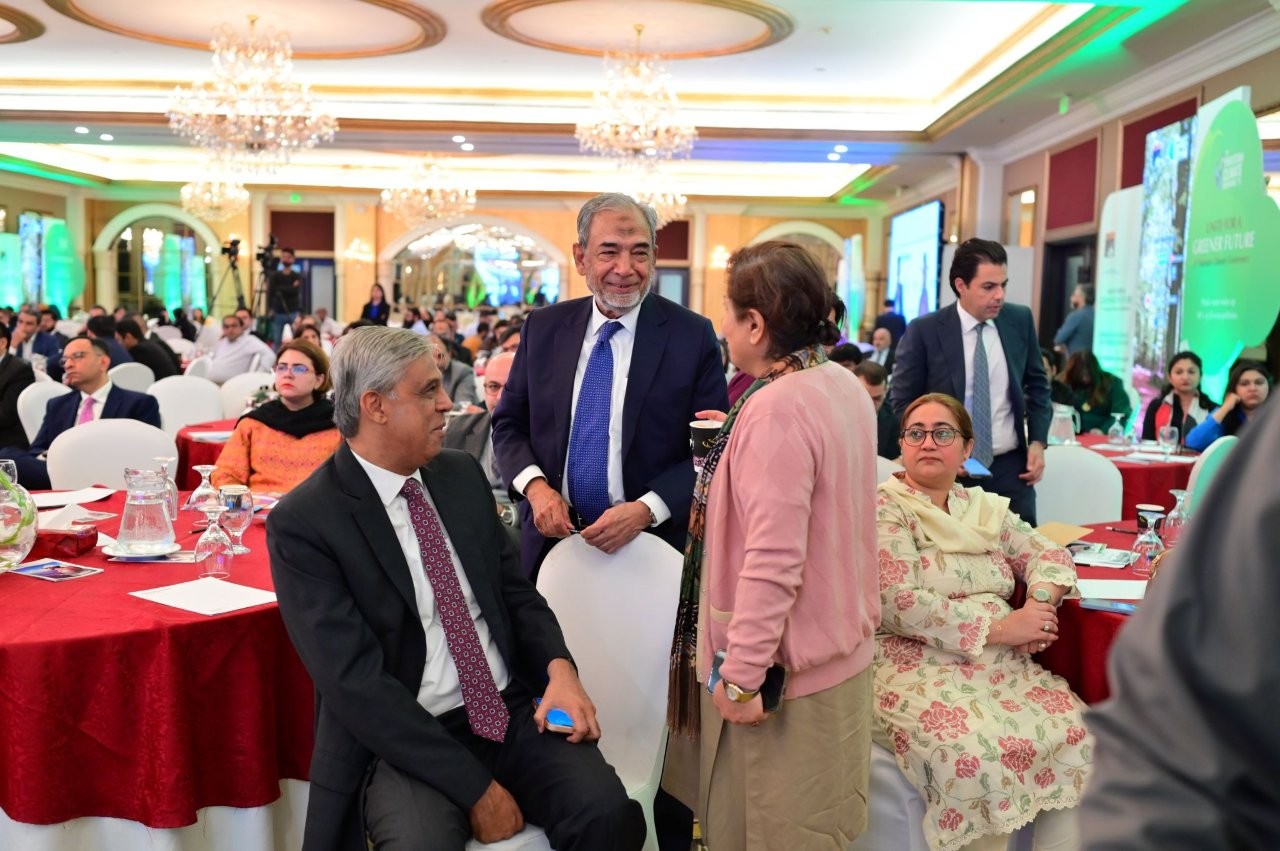
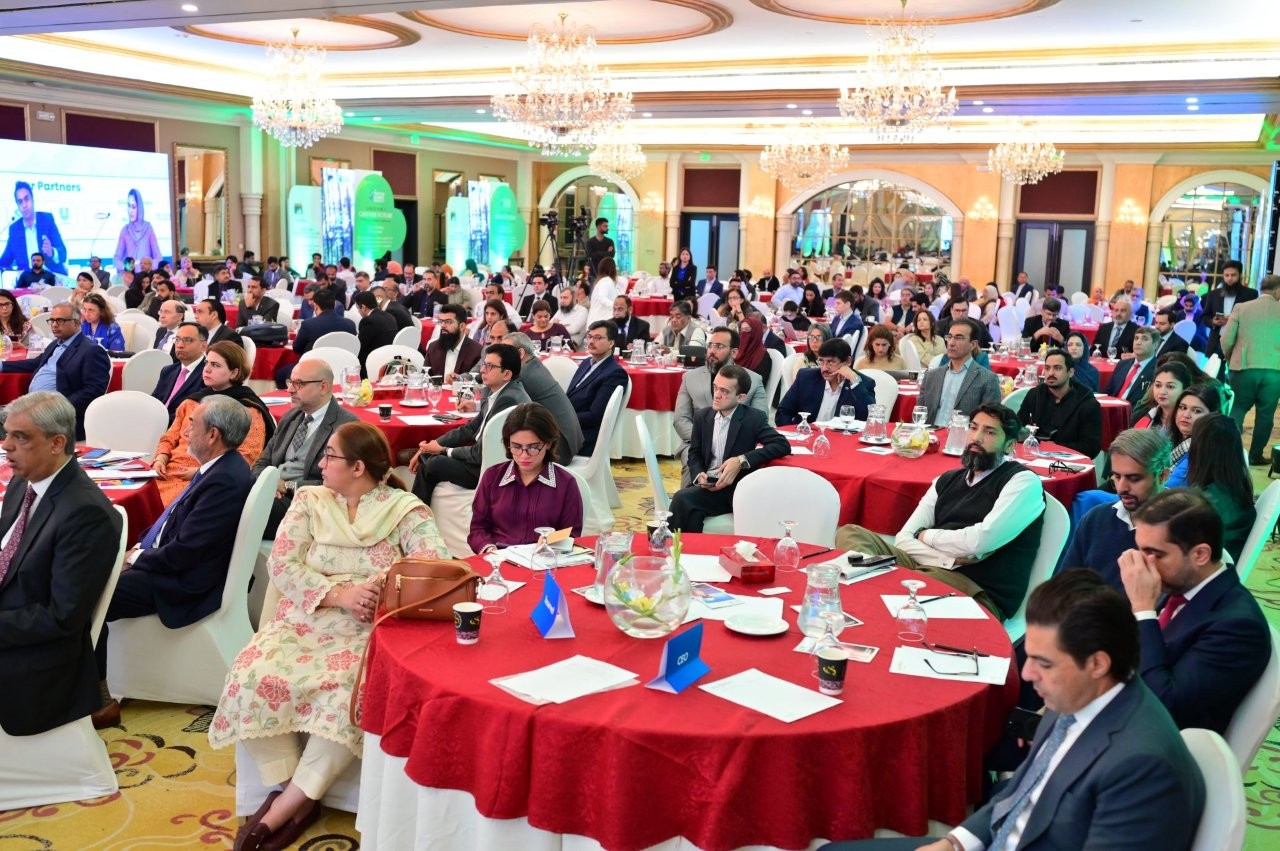
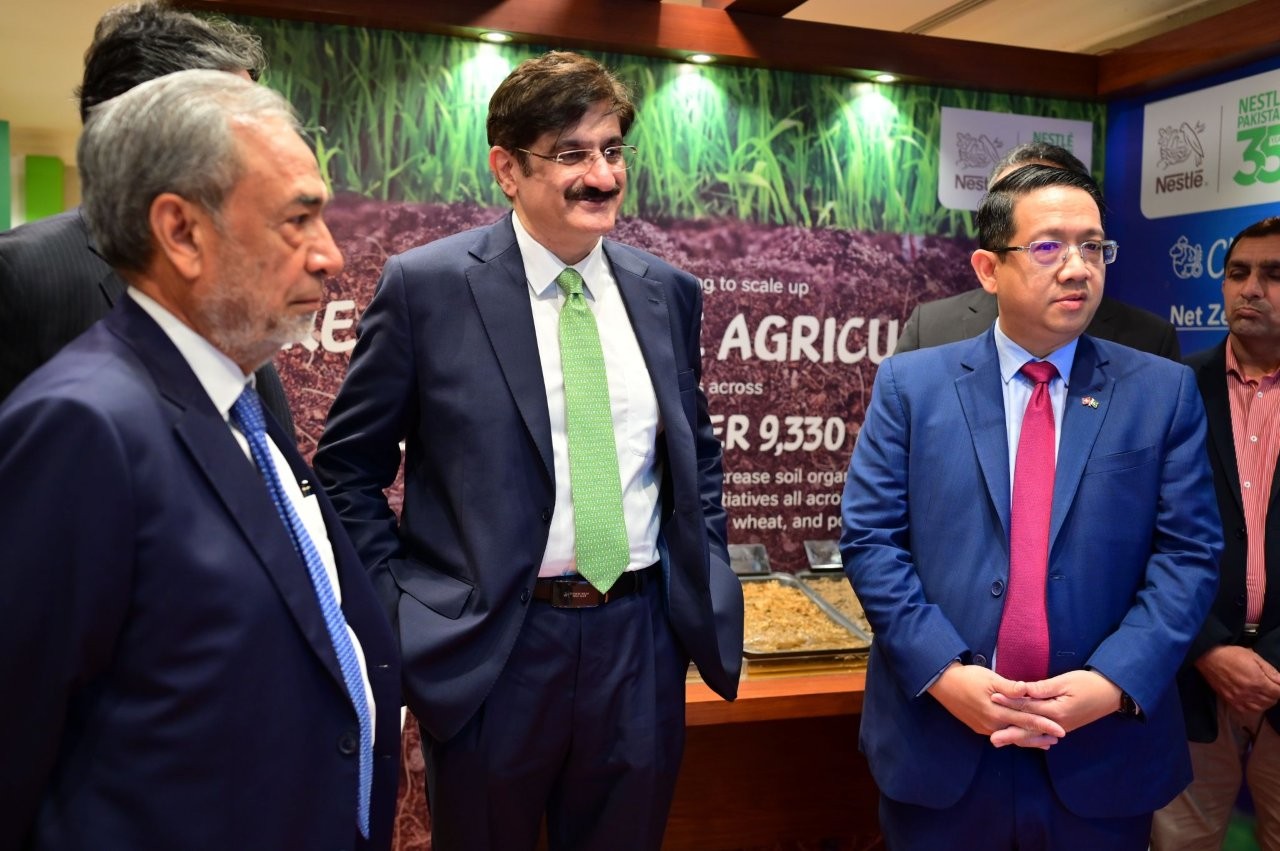
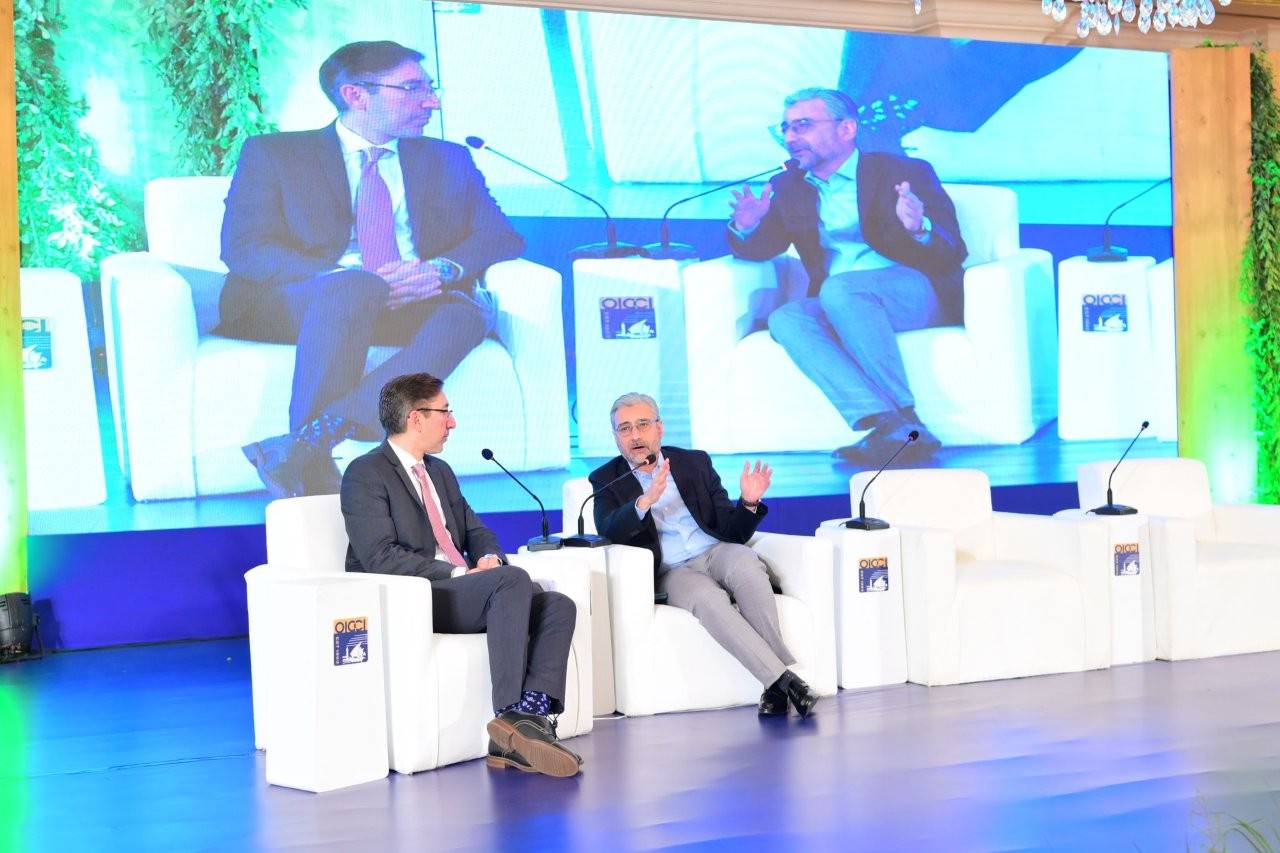
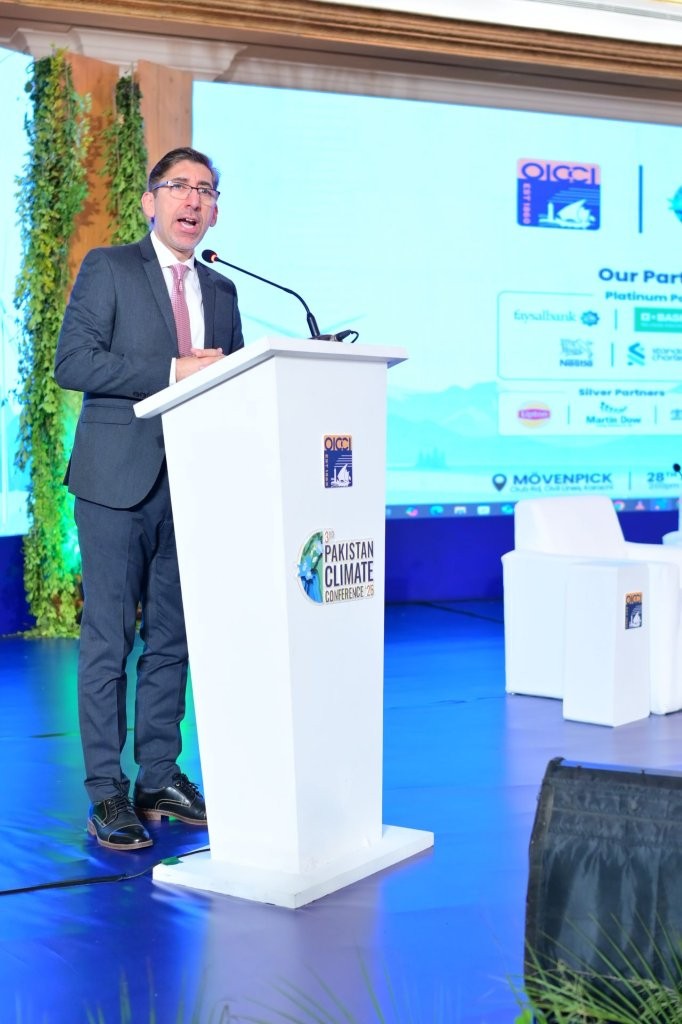
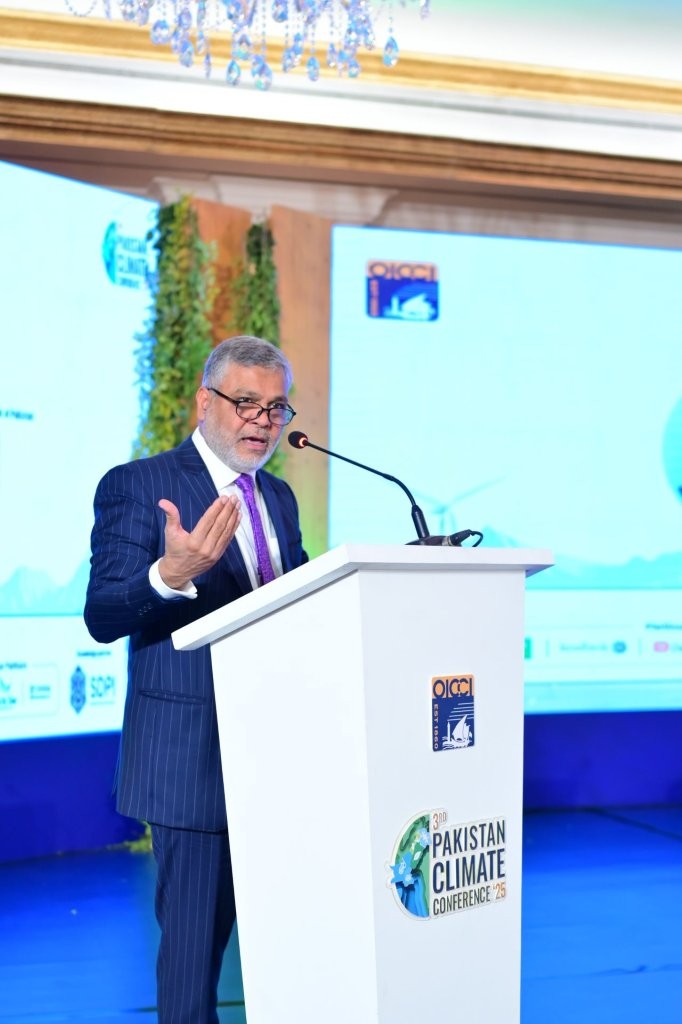
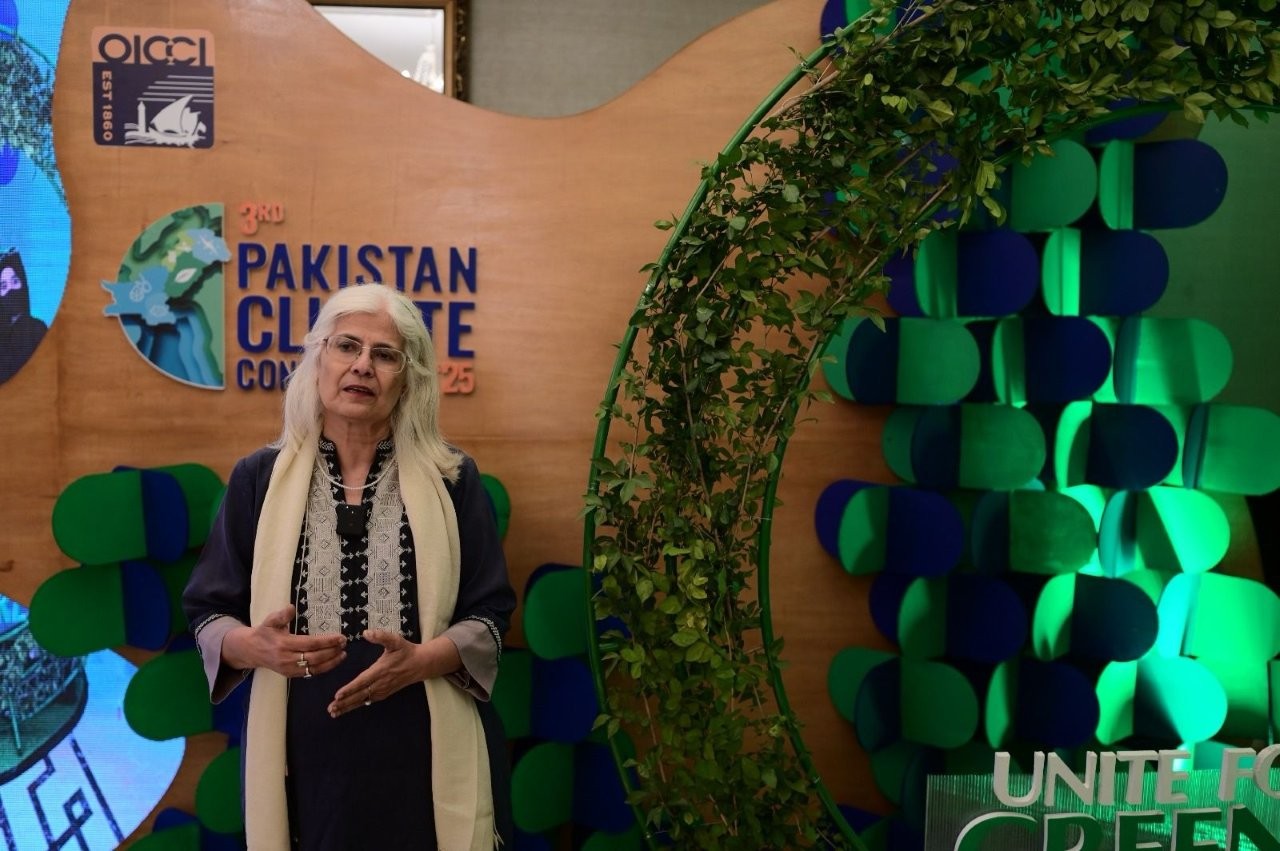
The 3rd Pakistan Climate Conference, organized by the Overseas Investors Chamber of Commerce and Industry (OICCI), recently emerged as a landmark event in Pakistan’s ongoing battle against the escalating impacts of climate change. With the country recognized as one of the most vulnerable in the world, the conference served as an essential platform for international policymakers, financial leaders, and industry experts to discuss pathways for sustainable growth and resilience.
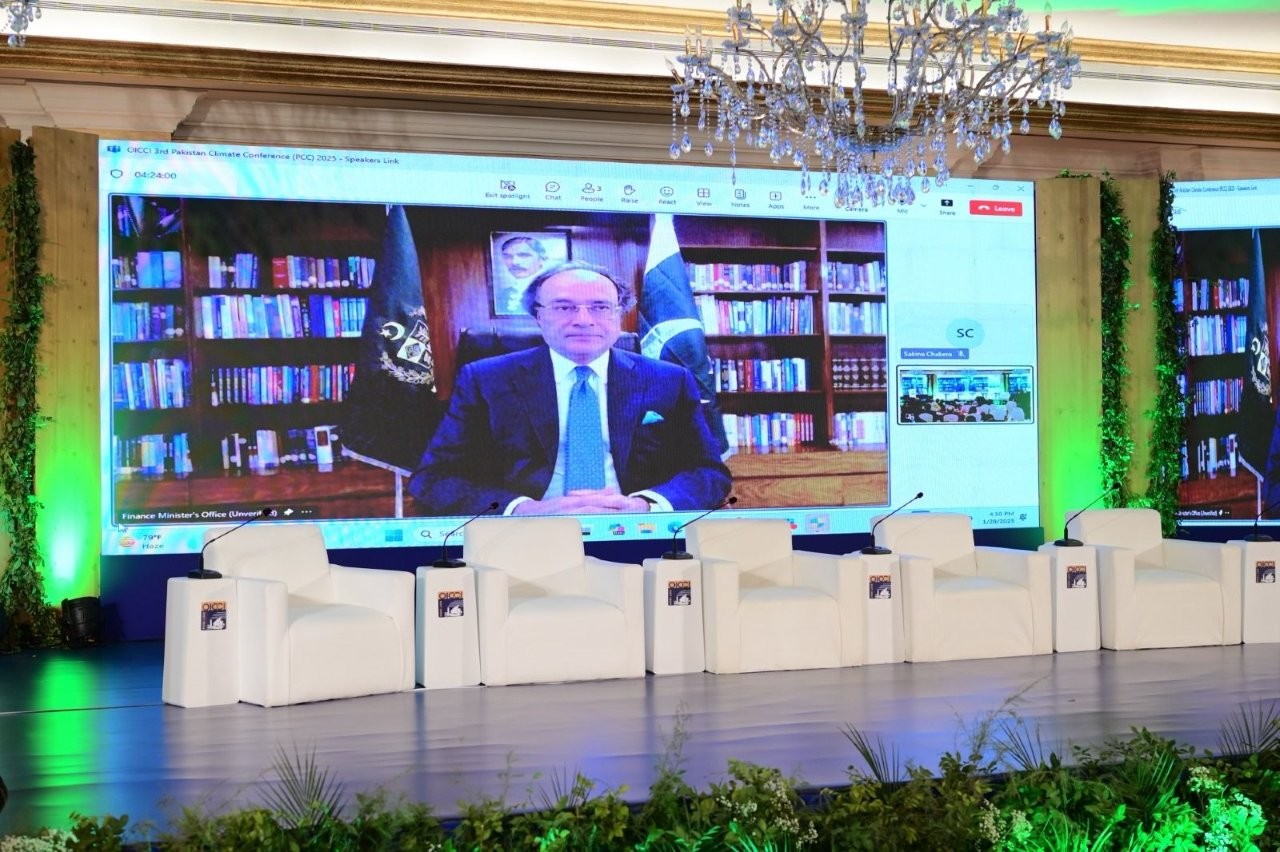
At the center of the discussions was a clarion call for robust climate finance and strategic policy interventions. High-level government representatives highlighted the urgency of mobilizing resources to confront the severe challenges posed by climate change. Finance Minister Senator Muhammad Aurangzeb, in his address on Day 1 of the conference, articulated a clear vision for Pakistan’s climate future. He pointed out that the devastating 2022 floods, which caused damages exceeding $30 billion, serve as a stark reminder of the nation’s vulnerability. He stressed that Pakistan’s ambitious adaptation and mitigation targets will require a massive injection of funds, up to $348 billion by 2030, to be fully realized.
Senator Aurangzeb further highlighted the critical role of international financing channels. He stressed the need to expand access to mechanisms like the Green Climate Fund (GCF) and the Adaptation Fund. The minister also referenced the success of Pakistan’s inaugural green Eurobond in 2021, which raised $500 million, as evidence of the country’s potential to secure sustainable investments. In addition, he mentioned the approval of a 10-year, $20 billion Country Partnership Framework with the World Bank Group (WBG), which is designed to enhance climate resiliency and promote decarbonization. Throughout his remarks, he emphasized that the private sector must be at the forefront of developing viable, bankable green projects, and lauded OICCI for its role in bridging the gap between policymaking and the private sector.
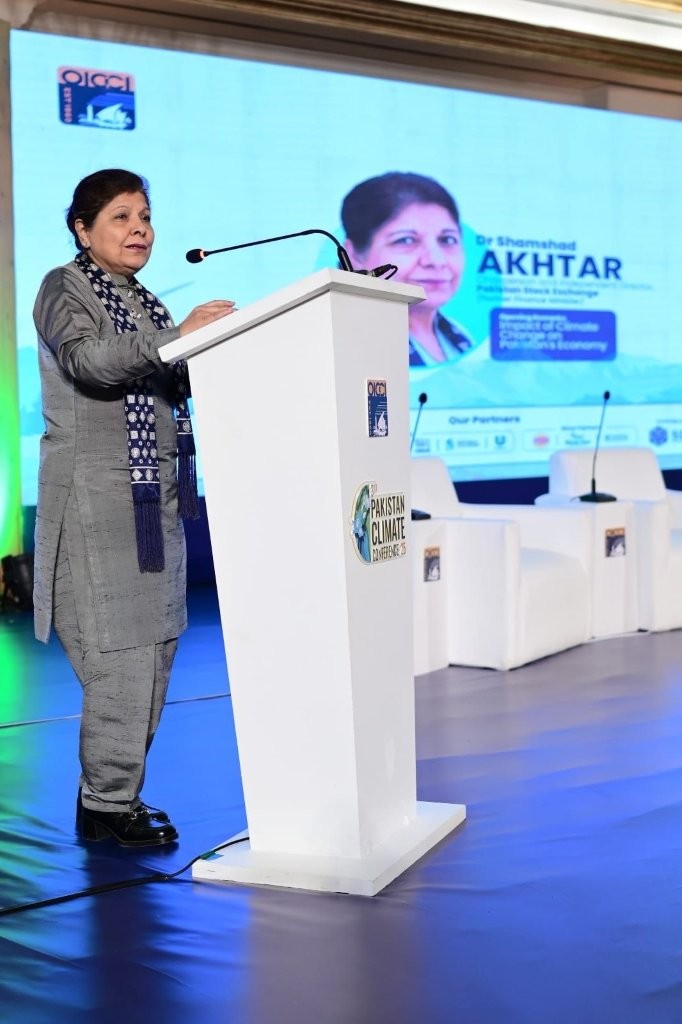
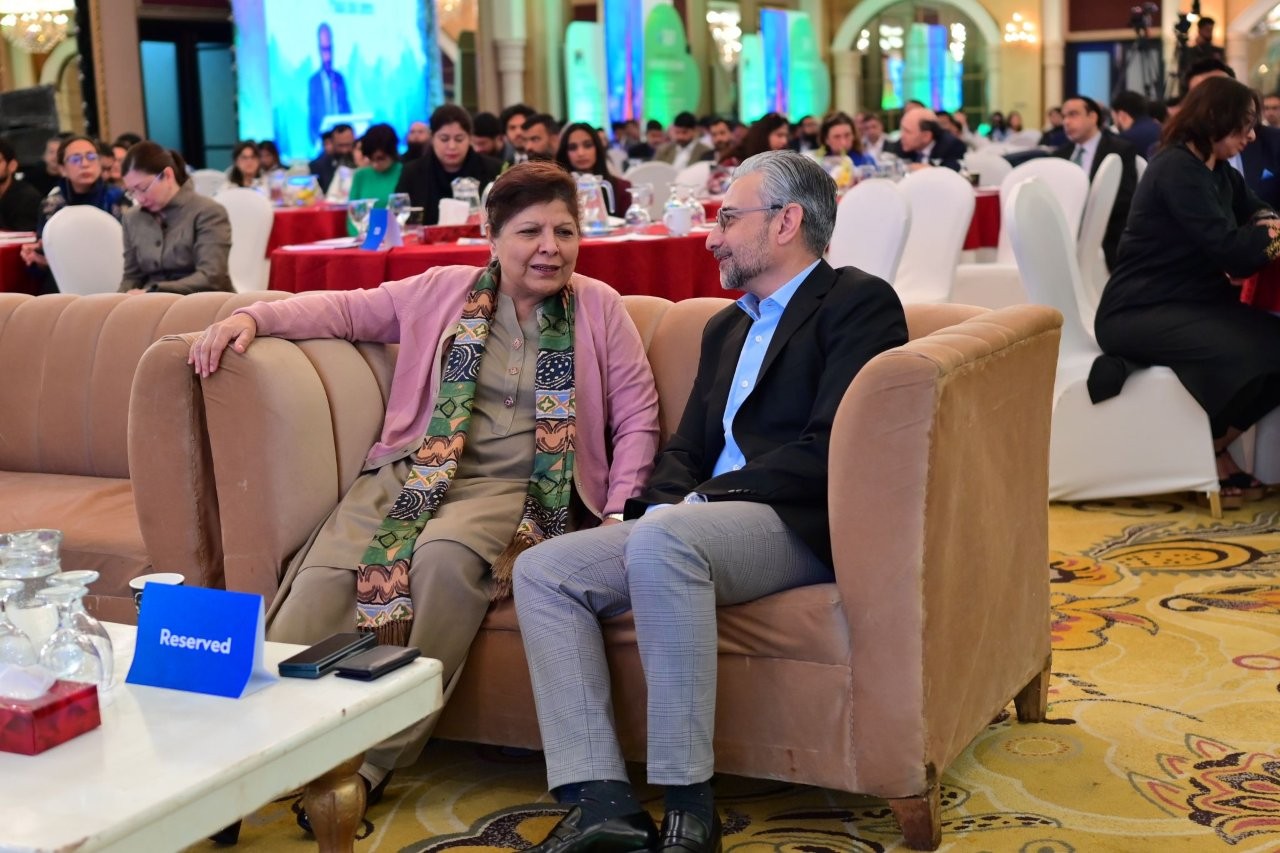
Former Finance Minister Dr. Shamshad Akhtar contributed a sobering perspective on the funding gaps confronting Pakistan. Speaking to the audience, she noted that despite the country’s ranking among the top five most vulnerable nations, it has received a meager 1.8 percent of the climate finance needed. Dr. Akhtar pointed out that climate change has already taken a significant toll on Pakistan’s economy, reducing its GDP by an estimated 3 percent. She called for a proactive approach from the government to secure funding from international organizations. Among the innovative financing solutions she advocated were green sukuk bonds and specially designed banking products aimed at boosting green investments. Her insights pointed out to the pressing need of creating a more conducive environment for international and domestic investment in green projects.
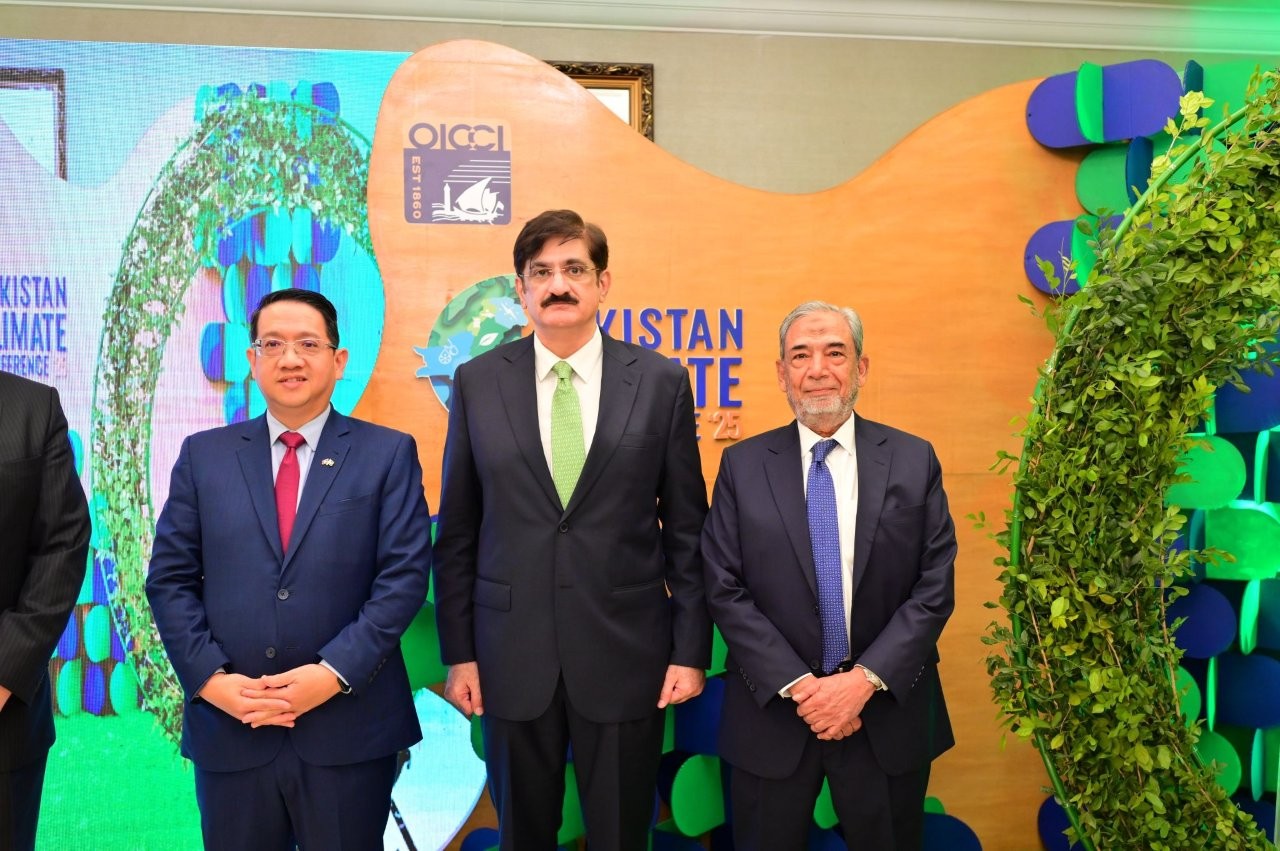
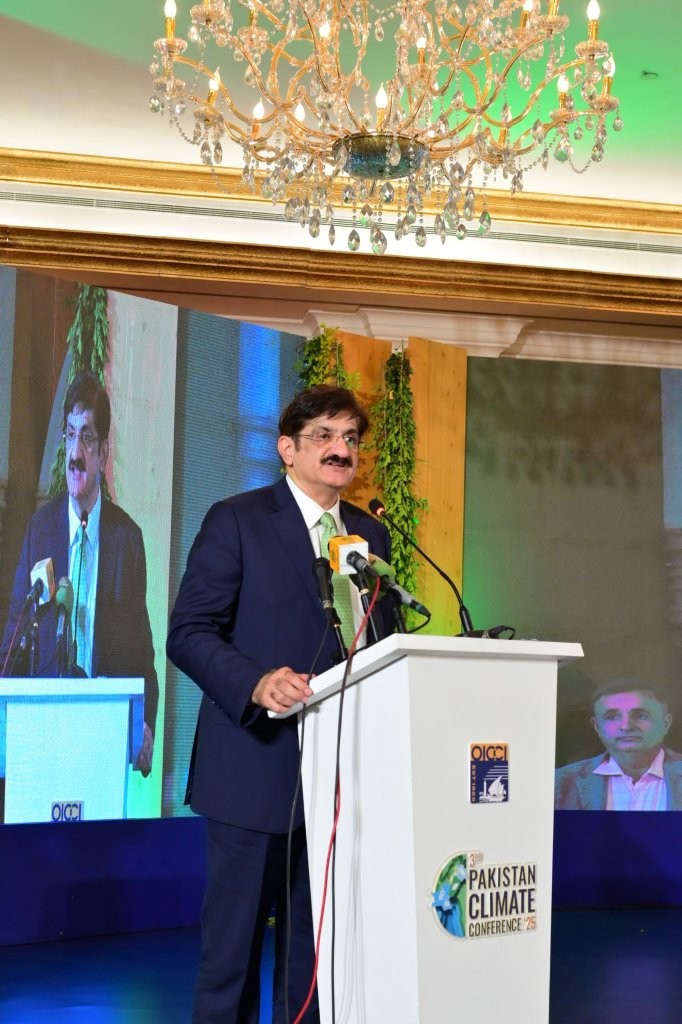
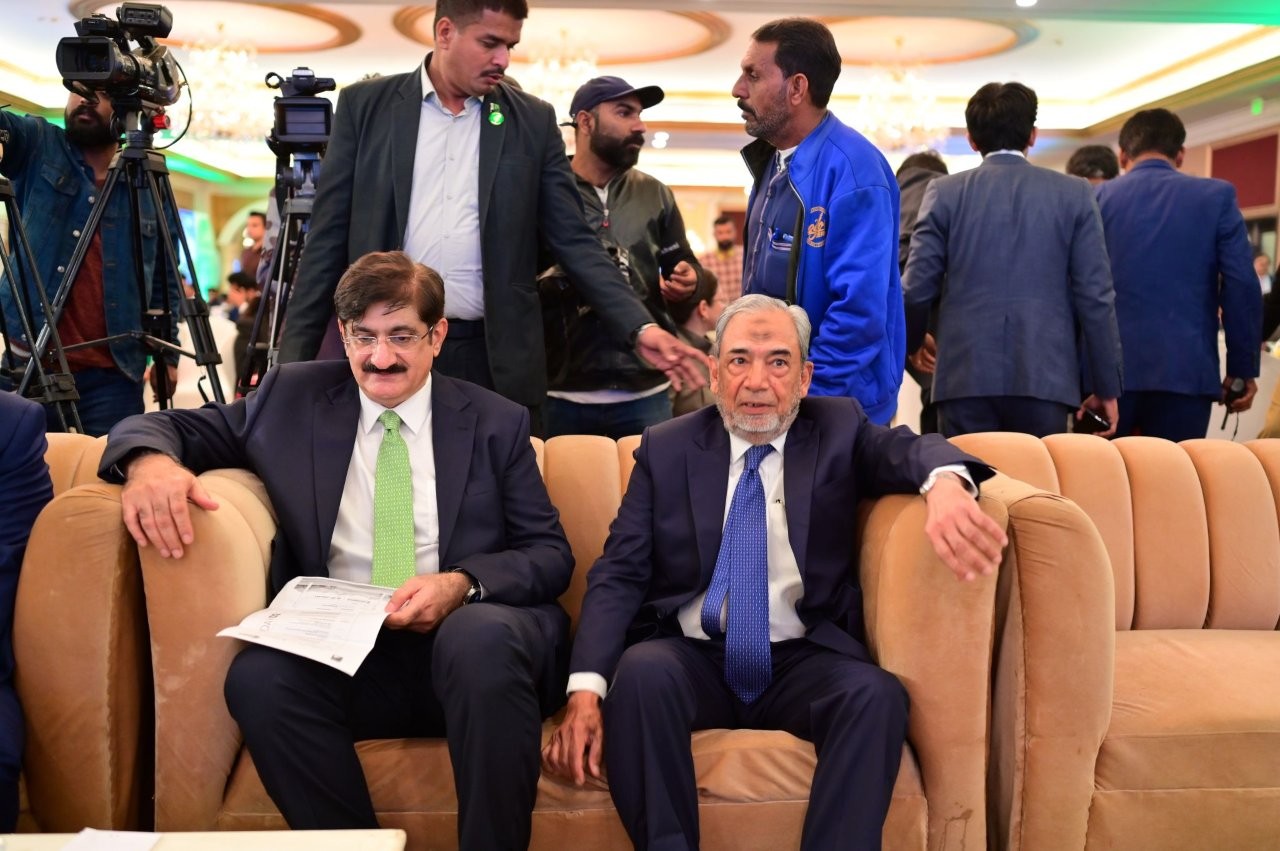
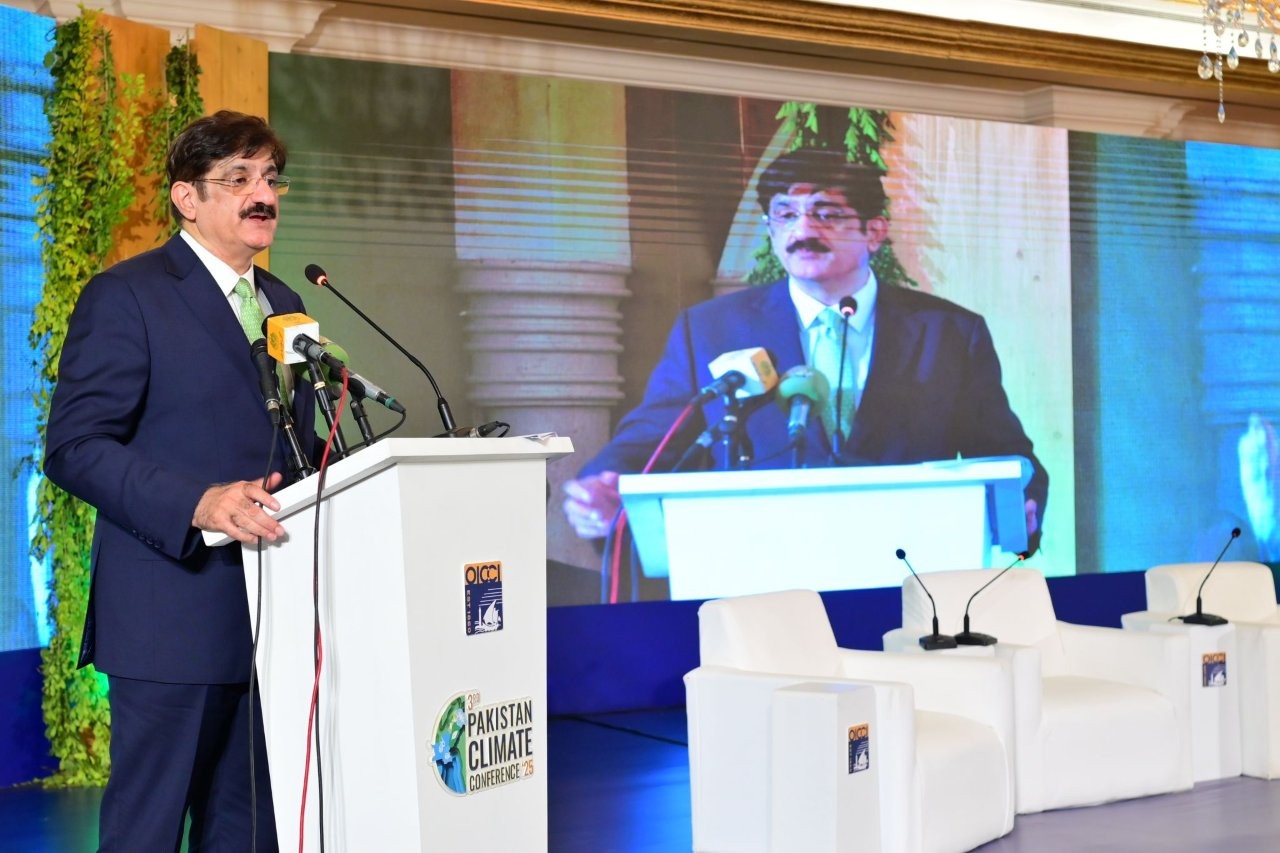
Sindh Chief Minister Syed Murad Ali Shah, the Chief Guest for Day 2 of the conference, reiterated the necessity of collective action. He noted that Pakistan is enduring the brunt of climate change, a crisis made even more acute by recurring natural disasters. Citing the recent catastrophic floods, he warned that the economic and social repercussions of these events have plunged the country into a deep crisis. His call for a united response resonated strongly with both domestic and international stakeholders, emphasizing that a coordinated approach involving both public and private sectors is essential to mitigate future risks.
Beyond the financial and policy dimensions, the conference delved into practical strategies for enhancing Pakistan’s climate resilience. The focus was on forging pragmatic collaborations that could translate into measurable progress on the ground. In particular, discussions highlighted the potential for sustainable investments to drive economic growth while simultaneously reducing carbon emissions.
The event also provided an incredible opportunity for delegates and participants from various countries to bring together diverse perspectives on how to address climate change challenges, creating a strong forum for sharing best practices and innovative solutions. This international flavor was crucial, as it emphasized the global interconnectedness of climate issues and the need for coordinated action. In his remarks, Senator Aurangzeb stressed that initiatives like the OICCI Climate Conference are vital not only for their immediate policy impact but also for their role in shaping a broader international dialogue on climate change. By promoting partnerships and facilitating discussions between government entities and private investors, OICCI is helping to lay the groundwork for a more resilient future. The conference, thus, served as both a wake-up call and a roadmap – a call for urgent action coupled with a clear outline of the steps needed to secure Pakistan’s climate future.
Nathan Rive, representing the Asian Development Bank (ADB), emphasized the critical importance of disaster and climate risk financing during the 3rd Pakistan Climate Conference. He highlighted Pakistan's unique vulnerability to frequent and severe natural disasters, such as floods that can cause losses as high as $14.4 billion for a 1-in-100-year event. With Pakistan's reliance on slow and inflexible emergency assistance projects, Nathan advocated for a robust disaster risk financing (DRF) framework that leverages a mix of instruments for optimal risk layering, including contingent loans, catastrophe bonds, and multi-donor funds. He also outlined ADB's ongoing initiatives, such as the Climate and Disaster Resilience Enhancement Program (2023-2025), which aims to enhance Pakistan's disaster response and build resilience through policy reforms and contingent financing mechanisms.
Representing the United Nations Development Programme (UNDP) at the conference, Resident Representative, Samuel Rizk, acknowledged that climate resilience is no longer a necessity, it has become a shared responsibility that demands collective actions, innovation, and urgent solutions to address Pakistan’s multifaceted climate challenges. Shedding light on Pakistan’s climate vulnerabilities, he said that one did not need to go back to 10-20 years, and only a cursory look would suggest that the 2022 floods, droughts and other climate-related challenges in recent times are indicative of the climate perils the country faces.
Speaking to the audiences, Secretary General OICCI M. Abdul Aleem stated: “The 3rd Pakistan Climate Conference has reinforced the urgency of climate action and the crucial role businesses play in driving sustainable solutions. We are witnessing increased investments in renewable energy, particularly solar and wind, along with a strong commitment to transitioning to eco-friendly fuels by 2030. It is imperative that private sector also explores different green financing options such as green bonds and sustainability-linked loans. I am confident that the central bank and regulatory authorities’ support will be available, as before, in promoting innovative financing initiatives including establishing carbon markets in Pakistan. Our goal is to bridge the $152 billion adaptation financing gap by making green finance and sustainability a core focus.”
As the conference concluded, it reinforced the belief that while the challenges are immense, there is significant potential for transformative change through innovation, collaboration, and sustained commitment. For the audience, the event offered a compelling narrative of Pakistan – a country already troubled with economic crises – at the crossroads, grappling with climate change while forging ahead with ambitious plans to build a sustainable, resilient economy.
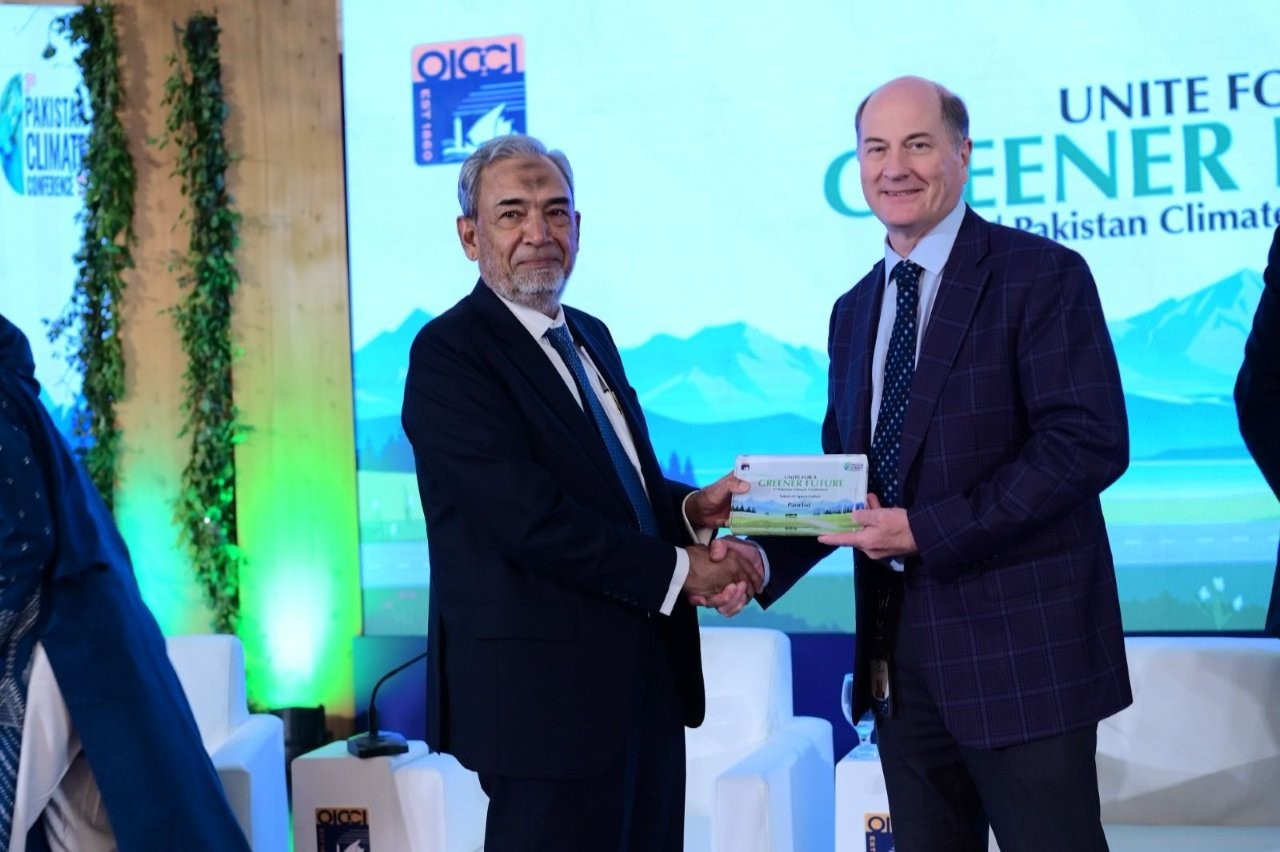
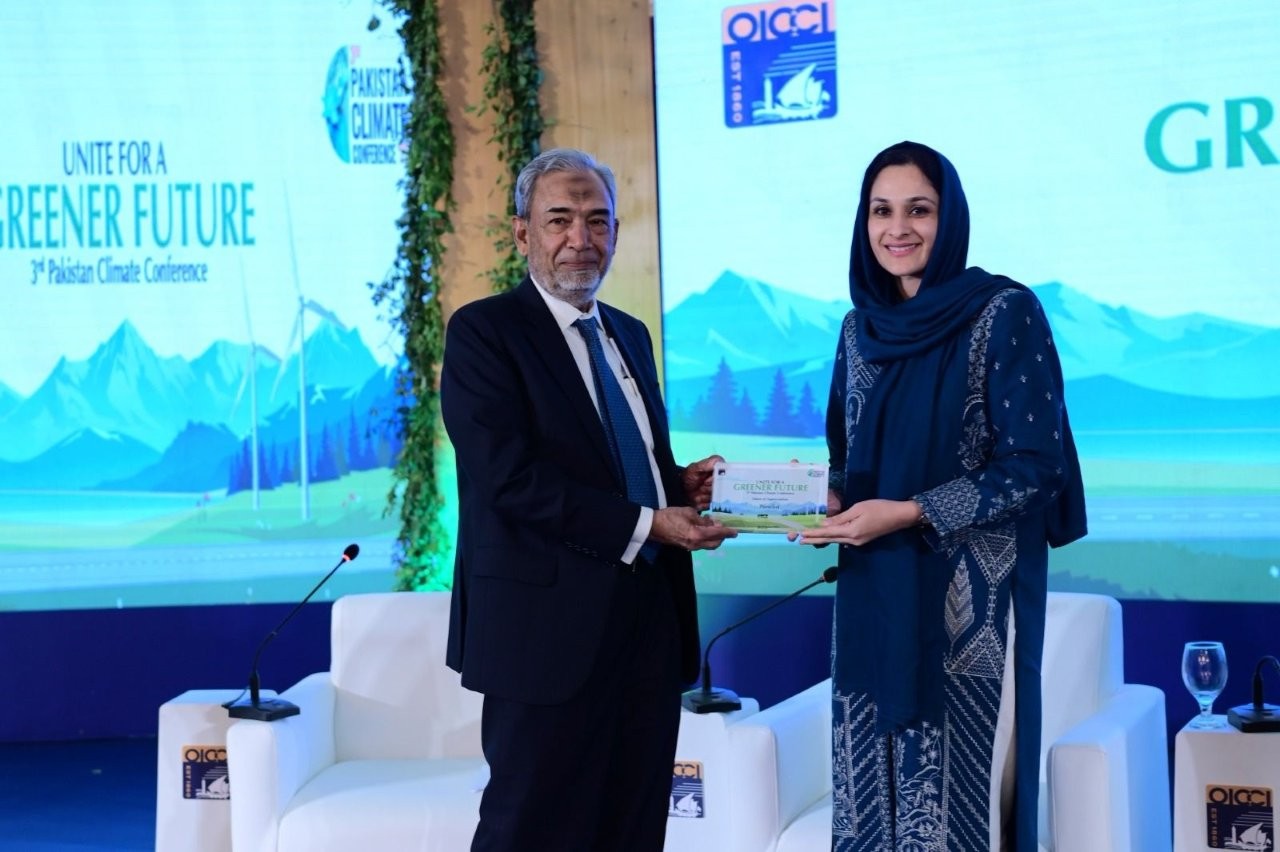
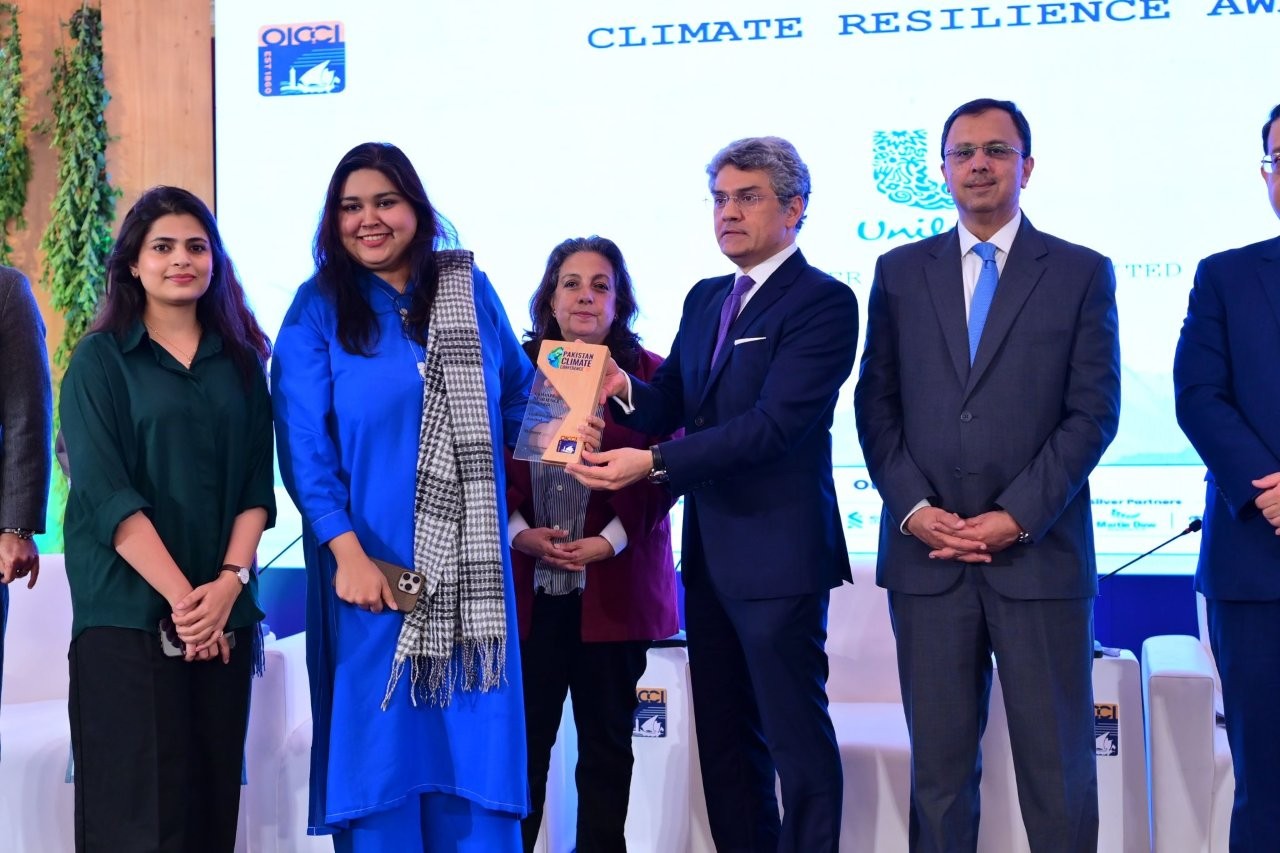
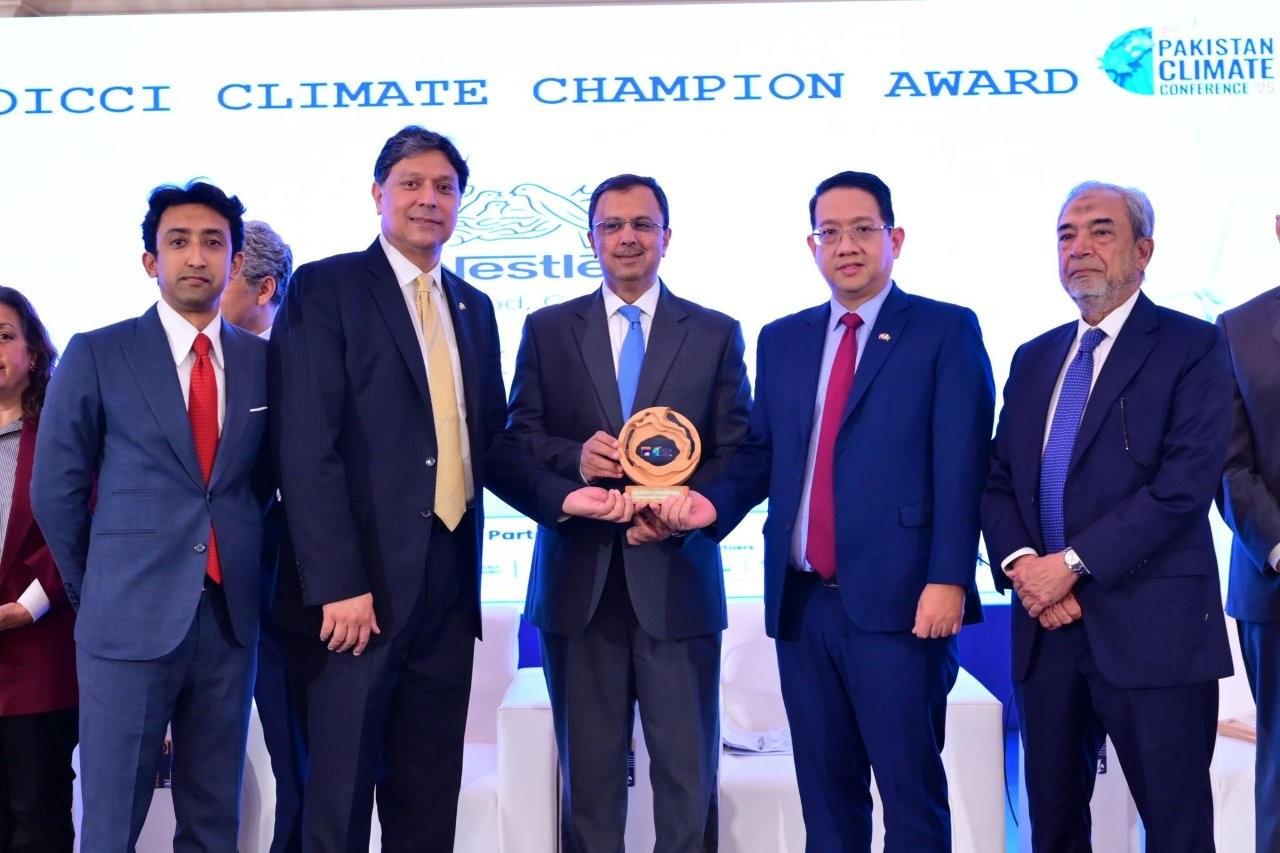
The OICCI Climate Excellence Awards have also been introduced to recognize and celebrate the outstanding contributions of companies driving climate resilience, sustainability, and green innovation. Winners across six categories included industry leaders who demonstrated exceptional commitment to environmental stewardship:
• Climate Champion Award – Nestlé Pakistan Limited
• Climate Resilience Award – Winner: Unilever Pakistan Limited | Runner-up: Attock Refinery Limited | Special Recognition: Lotte Chemicals Pakistan Limited
• Renewable Energy & Conservation Award – Winner: Reckitt Benckiser Pakistan Limited | Runner-up: Indus Motor Company Limited, Haleon Pakistan Limited
• Water Stewardship & Management Award – Winner: Abbott Laboratories (Pakistan) Limited | Runner-up: Dawlance (Private) Limited | Special Recognition: Archroma Pakistan Limited
• Promoting Circular Economy Award – Winner: Pepsi-Cola International (Private) Limited | 1st Runner-up: Total Parco Pakistan Ltd | 2nd Runner-up: Pakistan Mobile Communications Limited (JAZZ)
• Green Finance & Investment Award – Winner: Saudi Pak Industrial & Agricultural Investment Co. Ltd | 1st Runner-up: Mobilink Microfinance Bank Limited | 2nd Runner-up: Standard Chartered Bank (Pakistan) Limited
In summary, OICCI’s 3rd Pakistan Climate Conference not only highlighted the urgent need for climate finance and effective policy reforms but also set the stage for a renewed commitment to environmental sustainability and economic resilience, an agenda that resonates far beyond Pakistan’s borders.